

Pultruded carbon tubes - manufactured using the pultrusion process, have an unidirectional fiber orientation in the longitudinal direction. By using HT carbon fibers with a fiber volume of approx. 65%, a very high level of flexural rigidity is achieved.In the case of larger diameters, additional fibers are braided as core or cover layers using the pull-winding process. This also improves pressure stability and torsional rigidity.
Pultruded carbon tubes - manufactured using the pultrusion process, have an unidirectional fiber orientation in the longitudinal direction. By using HT carbon fibers with a fiber volume of approx. 65%, a very high level of flexural rigidity is achieved.In the case of larger diameters, additional fibers are braided as core or cover layers using the pull-winding process. This also improves pressure stability and torsional rigidity.
Pultruded carbon tubes - manufactured using the pultrusion process, have an unidirectional fiber orientation in the longitudinal direction. By using HT carbon fibers with a fiber volume of approx. 65%, a very high level of flexural rigidity is achieved.In the case of larger diameters, additional fibers are braided as core or cover layers using the pull-winding process. This also improves pressure stability and torsional rigidity.
Pultruded carbon tubes - manufactured using the pultrusion process, have an unidirectional fiber orientation in the longitudinal direction. By using HT carbon fibers with a fiber volume of approx. 65%, a very high level of flexural rigidity is achieved.In the case of larger diameters, additional fibers are braided as core or cover layers using the pull-winding process. This also improves pressure stability and torsional rigidity.
Pultruded carbon tubes - manufactured using the pultrusion process, have an unidirectional fiber orientation in the longitudinal direction. By using HT carbon fibers with a fiber volume of approx. 65%, a very high level of flexural rigidity is achieved.In the case of larger diameters, additional fibers are braided as core or cover layers using the pull-winding process. This also improves pressure stability and torsional rigidity.
Pultruded carbon tubes - manufactured using the pultrusion process, have an unidirectional fiber orientation in the longitudinal direction. By using HT carbon fibers with a fiber volume of approx. 65%, a very high level of flexural rigidity is achieved.In the case of larger diameters, additional fibers are braided as core or cover layers using the pull-winding process. This also improves pressure stability and torsional rigidity.
Pultruded carbon tubes - manufactured using the pultrusion process, have an unidirectional fiber orientation in the longitudinal direction. By using HT carbon fibers with a fiber volume of approx. 65%, a very high level of flexural rigidity is achieved.In the case of larger diameters, additional fibers are braided as core or cover layers using the pull-winding process. This also improves pressure stability and torsional rigidity.
Pultruded carbon tubes - manufactured using the pultrusion process, have an unidirectional fiber orientation in the longitudinal direction. By using HT carbon fibers with a fiber volume of approx. 65%, a very high level of flexural rigidity is achieved.In the case of larger diameters, additional fibers are braided as core or cover layers using the pull-winding process. This also improves pressure stability and torsional rigidity.
Pultruded carbon tubes - manufactured using the pultrusion process, have an unidirectional fiber orientation in the longitudinal direction. By using HT carbon fibers with a fiber volume of approx. 65%, a very high level of flexural rigidity is achieved.In the case of larger diameters, additional fibers are braided as core or cover layers using the pull-winding process. This also improves pressure stability and torsional rigidity.
Pultruded carbon tubes - manufactured using the pultrusion process, have an unidirectional fiber orientation in the longitudinal direction. By using HT carbon fibers with a fiber volume of approx. 65%, a very high level of flexural rigidity is achieved.In the case of larger diameters, additional fibers are braided as core or cover layers using the pull-winding process. This also improves pressure stability and torsional rigidity.
Pultruded carbon tubes - manufactured using the pultrusion process, have an unidirectional fiber orientation in the longitudinal direction. By using HT carbon fibers with a fiber volume of approx. 65%, a very high level of flexural rigidity is achieved.In the case of larger diameters, additional fibers are braided as core or cover layers using the pull-winding process. This also improves pressure stability and torsional rigidity.
Pultruded carbon tubes - manufactured using the pultrusion process, have an unidirectional fiber orientation in the longitudinal direction. By using HT carbon fibers with a fiber volume of approx. 65%, a very high level of flexural rigidity is achieved.In the case of larger diameters, additional fibers are braided as core or cover layers using the pull-winding process. This also improves pressure stability and torsional rigidity.
Pultruded carbon tubes - manufactured using the pultrusion process, have an unidirectional fiber orientation in the longitudinal direction. By using HT carbon fibers with a fiber volume of approx. 65%, a very high level of flexural rigidity is achieved.In the case of larger diameters, additional fibers are braided as core or cover layers using the pull-winding process. This also improves pressure stability and torsional rigidity.
Pultruded carbon tubes - manufactured using the pultrusion process, have an unidirectional fiber orientation in the longitudinal direction. By using HT carbon fibers with a fiber volume of approx. 65%, a very high level of flexural rigidity is achieved.In the case of larger diameters, additional fibers are braided as core or cover layers using the pull-winding process. This also improves pressure stability and torsional rigidity.
Pultruded carbon tubes - manufactured using the pultrusion process, have an unidirectional fiber orientation in the longitudinal direction. By using HT carbon fibers with a fiber volume of approx. 65%, a very high level of flexural rigidity is achieved.In the case of larger diameters, additional fibers are braided as core or cover layers using the pull-winding process. This also improves pressure stability and torsional rigidity.
Pultruded carbon tubes - manufactured using the pultrusion process, have an unidirectional fiber orientation in the longitudinal direction. By using HT carbon fibers with a fiber volume of approx. 65%, a very high level of flexural rigidity is achieved.In the case of larger diameters, additional fibers are braided as core or cover layers using the pull-winding process. This also improves pressure stability and torsional rigidity.
Pultruded carbon tubes - manufactured using the pultrusion process, have an unidirectional fiber orientation in the longitudinal direction. By using HT carbon fibers with a fiber volume of approx. 65%, a very high level of flexural rigidity is achieved.In the case of larger diameters, additional fibers are braided as core or cover layers using the pull-winding process. This also improves pressure stability and torsional rigidity.
Pultruded carbon tubes - manufactured using the pultrusion process, have an unidirectional fiber orientation in the longitudinal direction. By using HT carbon fibers with a fiber volume of approx. 65%, a very high level of flexural rigidity is achieved.In the case of larger diameters, additional fibers are braided as core or cover layers using the pull-winding process. This also improves pressure stability and torsional rigidity.
Pultruded carbon tubes - manufactured using the pultrusion process, have an unidirectional fiber orientation in the longitudinal direction. By using HT carbon fibers with a fiber volume of approx. 65%, a very high level of flexural rigidity is achieved.In the case of larger diameters, additional fibers are braided as core or cover layers using the pull-winding process. This also improves pressure stability and torsional rigidity.
Pultruded carbon tubes - manufactured using the pultrusion process, have an unidirectional fiber orientation in the longitudinal direction. By using HT carbon fibers with a fiber volume of approx. 65%, a very high level of flexural rigidity is achieved.In the case of larger diameters, additional fibers are braided as core or cover layers using the pull-winding process. This also improves pressure stability and torsional rigidity.
Pultruded carbon tubes - manufactured using the pultrusion process, have an unidirectional fiber orientation in the longitudinal direction. By using HT carbon fibers with a fiber volume of approx. 65%, a very high level of flexural rigidity is achieved.In the case of larger diameters, additional fibers are braided as core or cover layers using the pull-winding process. This also improves pressure stability and torsional rigidity.
Pultruded carbon tubes - manufactured using the pultrusion process, have an unidirectional fiber orientation in the longitudinal direction. By using HT carbon fibers with a fiber volume of approx. 65%, a very high level of flexural rigidity is achieved.In the case of larger diameters, additional fibers are braided as core or cover layers using the pull-winding process. This also improves pressure stability and torsional rigidity.
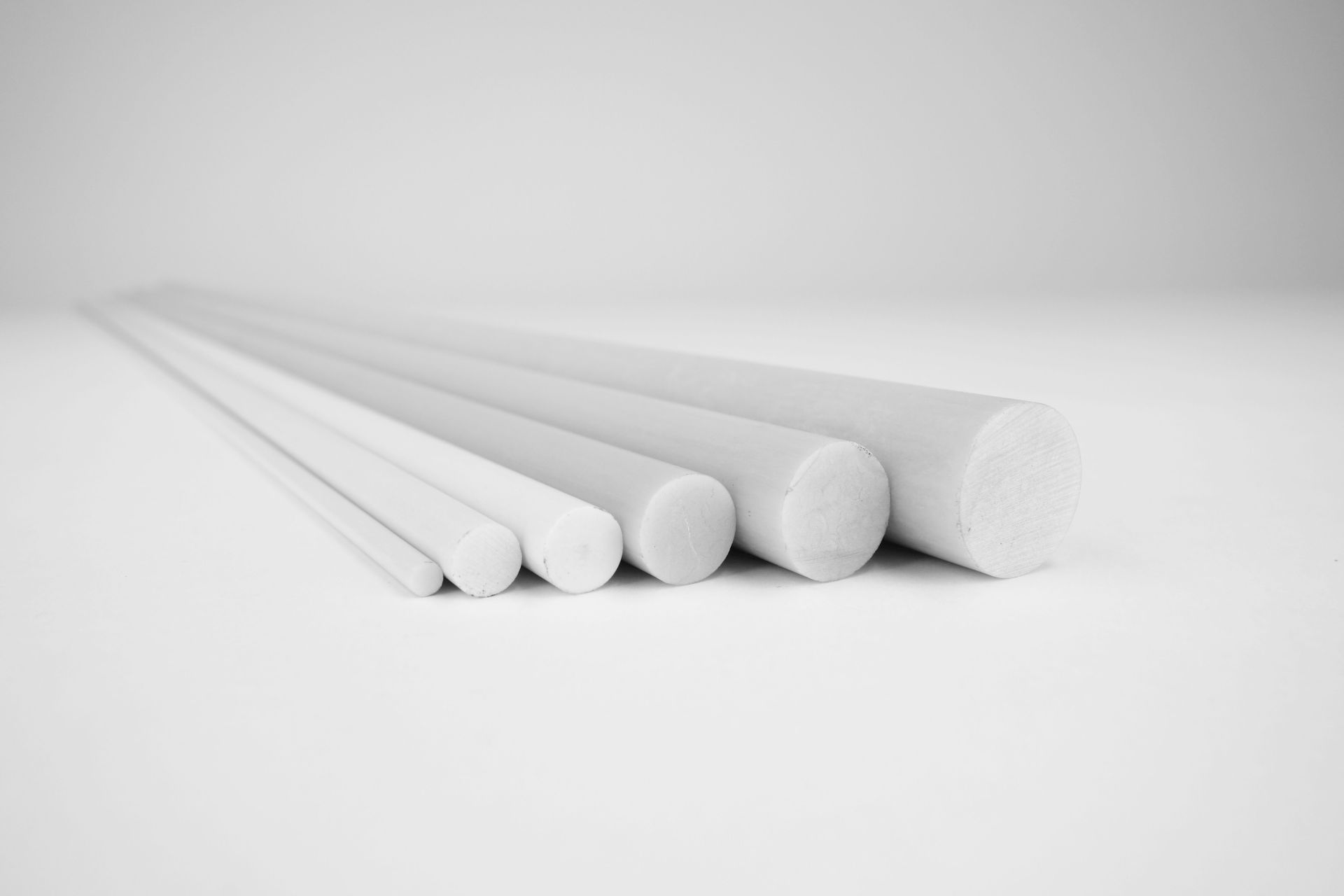
The fiber volume of the glass fiber round rod, produced in the pultrusion process, is over 60%. The fiber orientation is in the longitudinal direction and is therefore unidirectional.
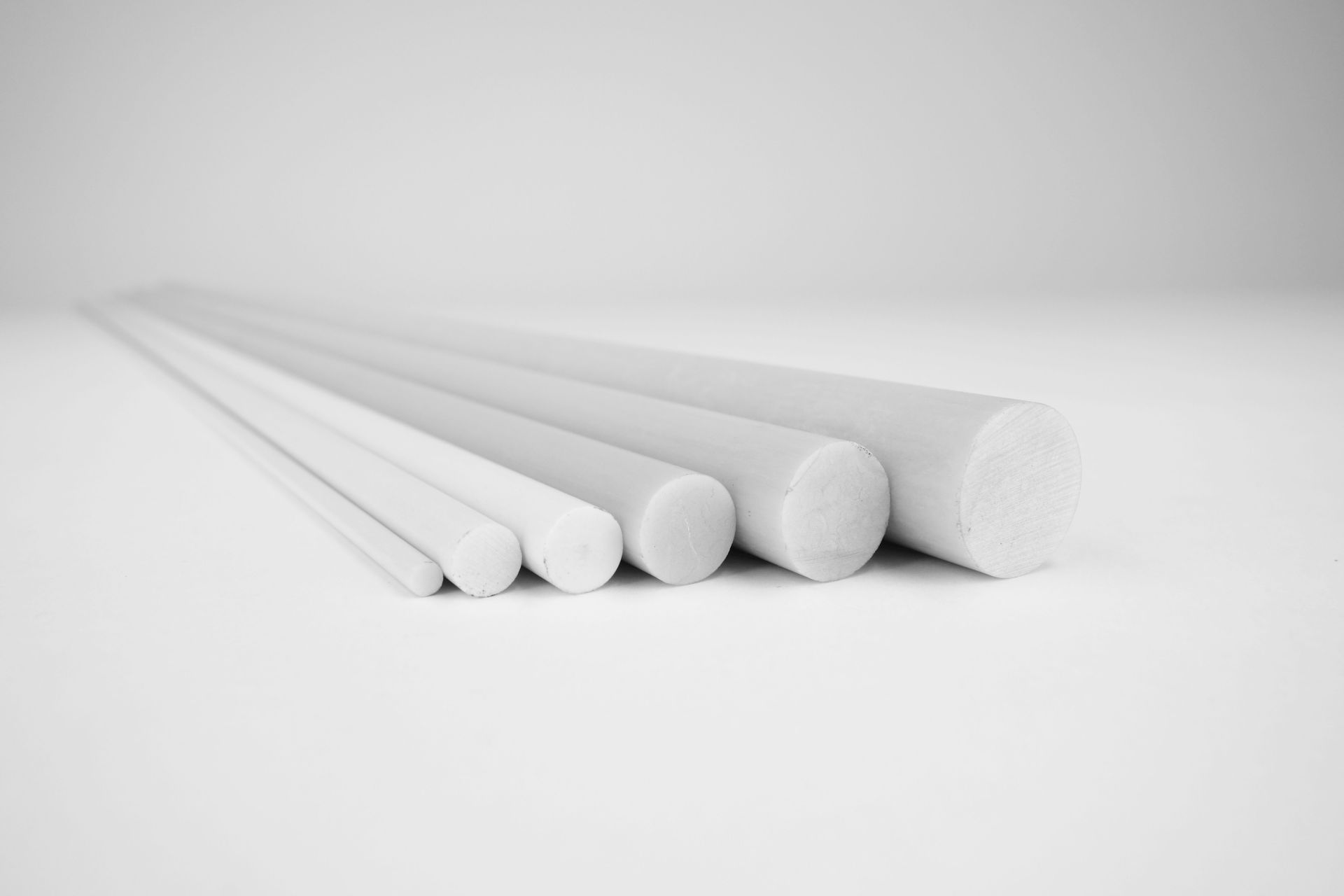
The fiber volume of the glass fiber round rod, produced in the pultrusion process, is over 60%. The fiber orientation is in the longitudinal direction and is therefore unidirectional.
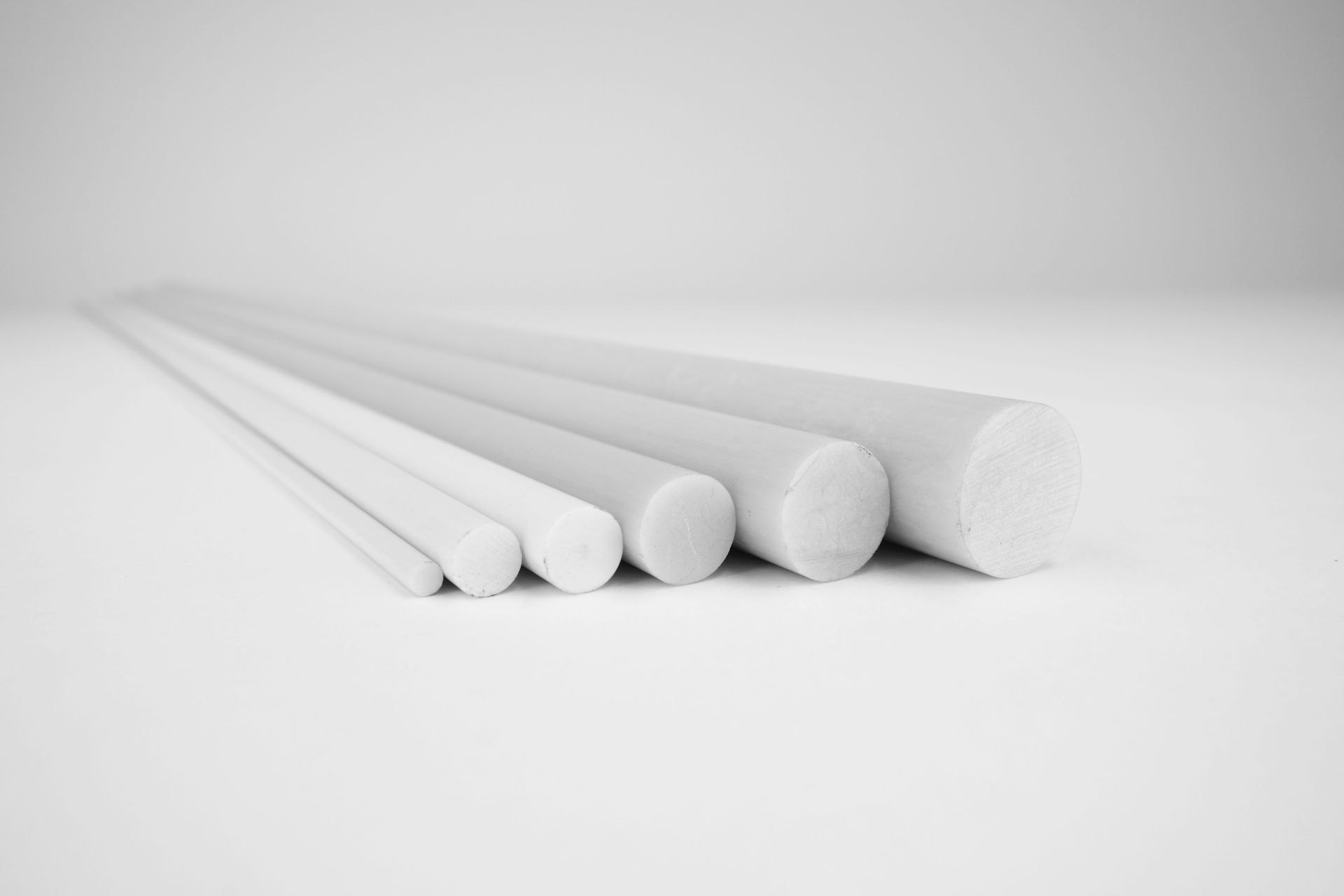
The fiber volume of the glass fiber round rod, produced in the pultrusion process, is over 60%. The fiber orientation is in the longitudinal direction and is therefore unidirectional.
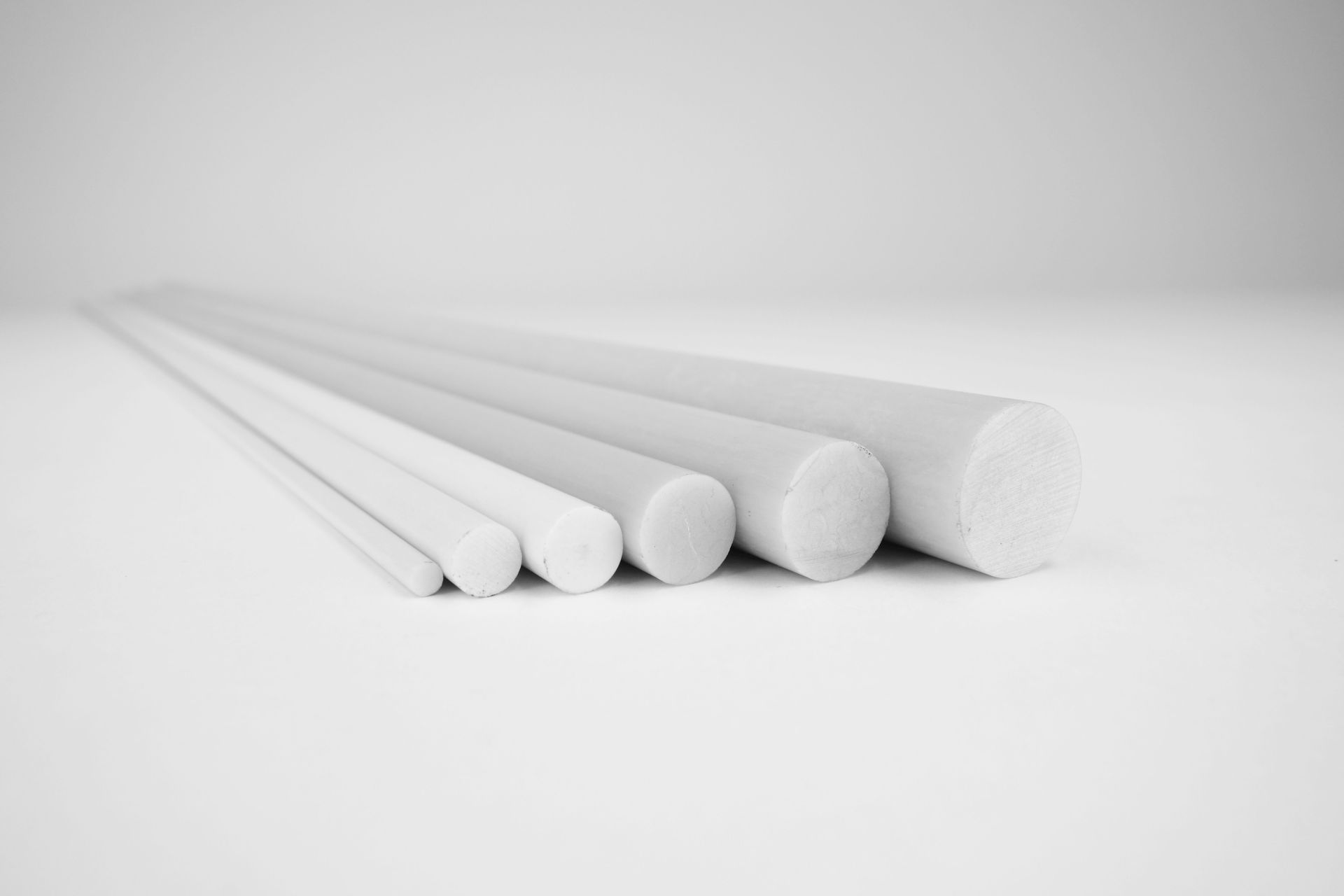
The fiber volume of the glass fiber round rod, produced in the pultrusion process, is over 60%. The fiber orientation is in the longitudinal direction and is therefore unidirectional.
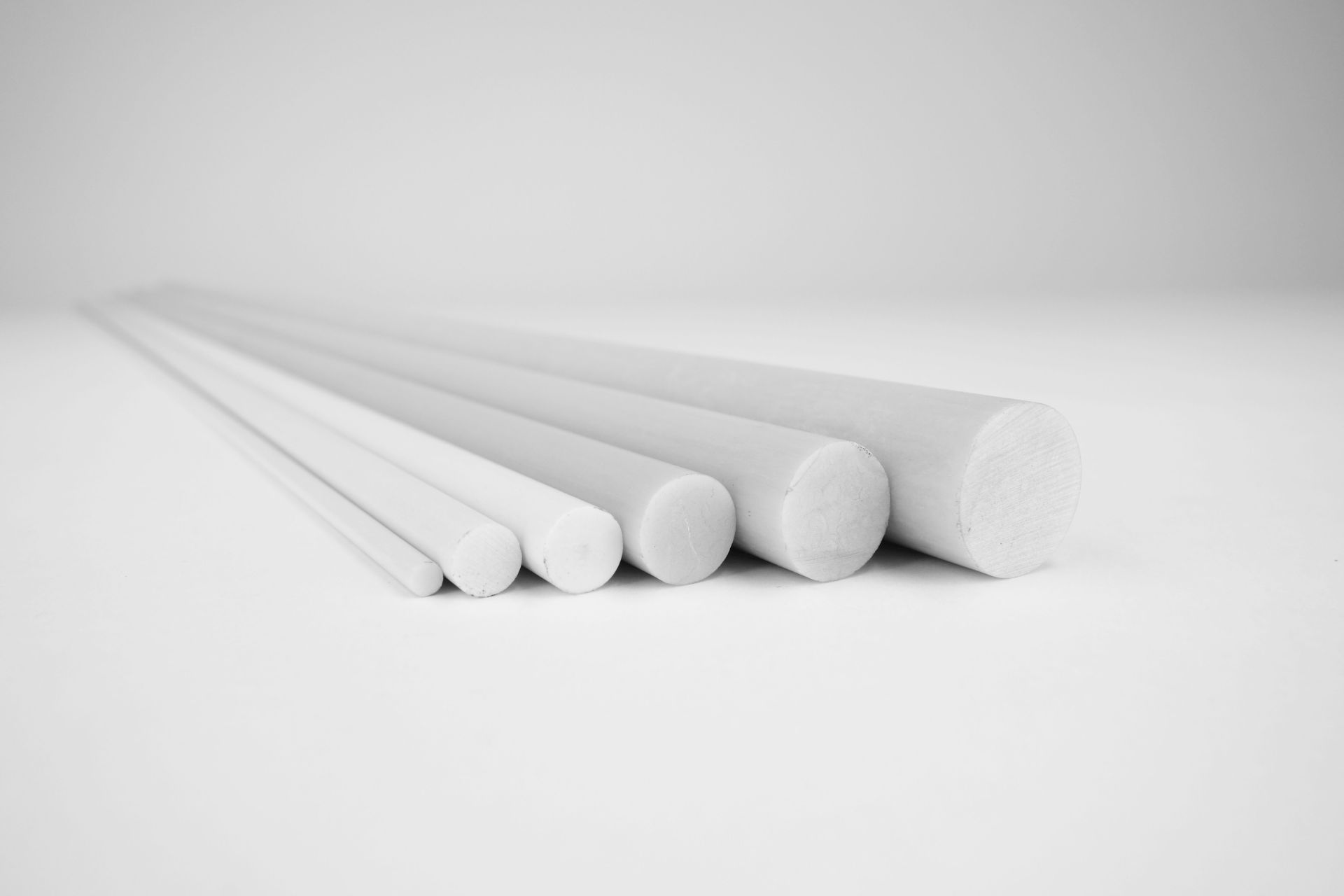
The fiber volume of the glass fiber round rod, produced in the pultrusion process, is over 60%. The fiber orientation is in the longitudinal direction and is therefore unidirectional.
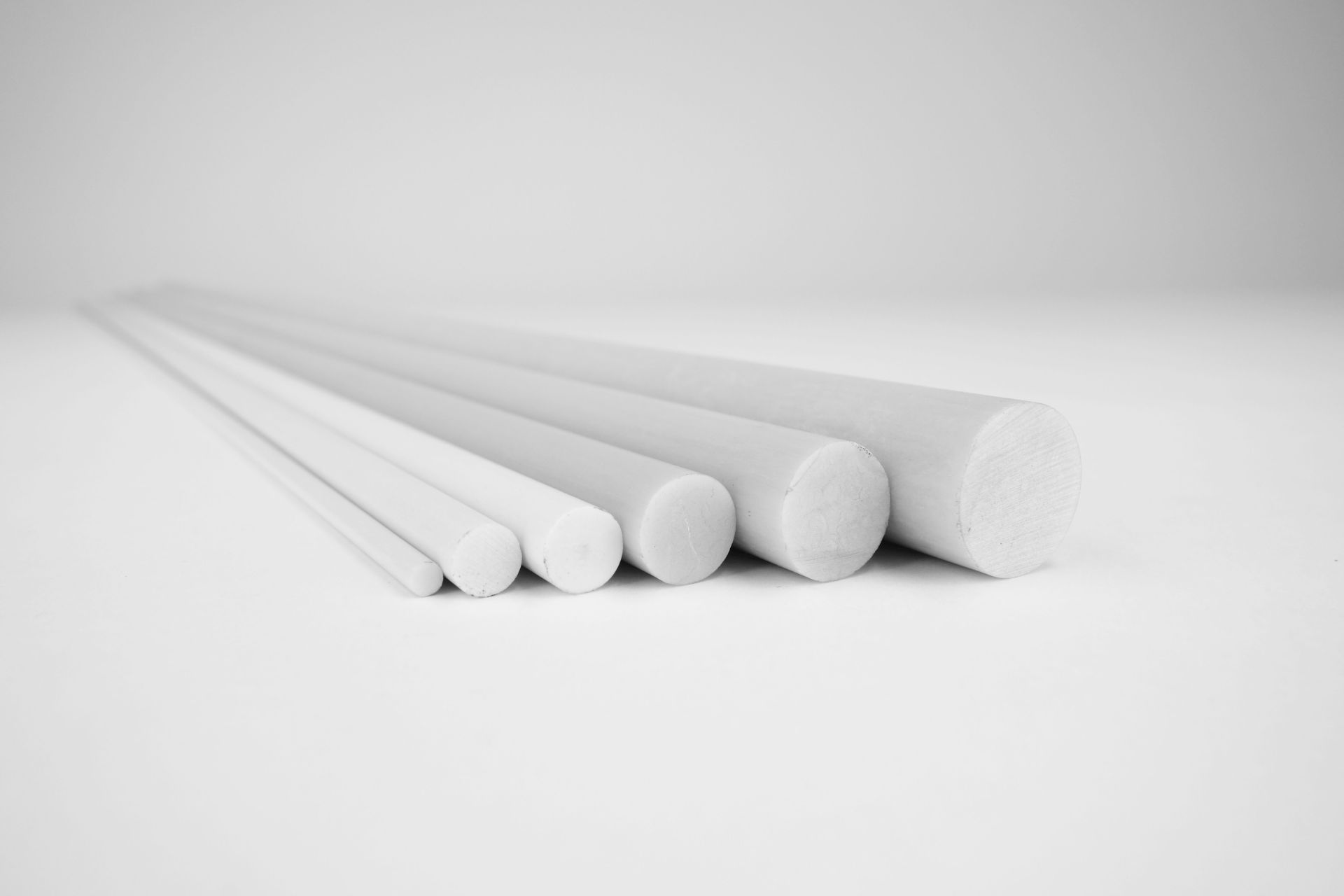
The fiber volume of the glass fiber round rod, produced in the pultrusion process, is over 60%. The fiber orientation is in the longitudinal direction and is therefore unidirectional.
The fiber volume of the glass fiber round rod, produced in the pultrusion process, is over 60%. The fiber orientation is in the longitudinal direction and is therefore unidirectional.
The fiber volume of the glass fiber round rod, produced in the pultrusion process, is over 60%. The fiber orientation is in the longitudinal direction and is therefore unidirectional.