
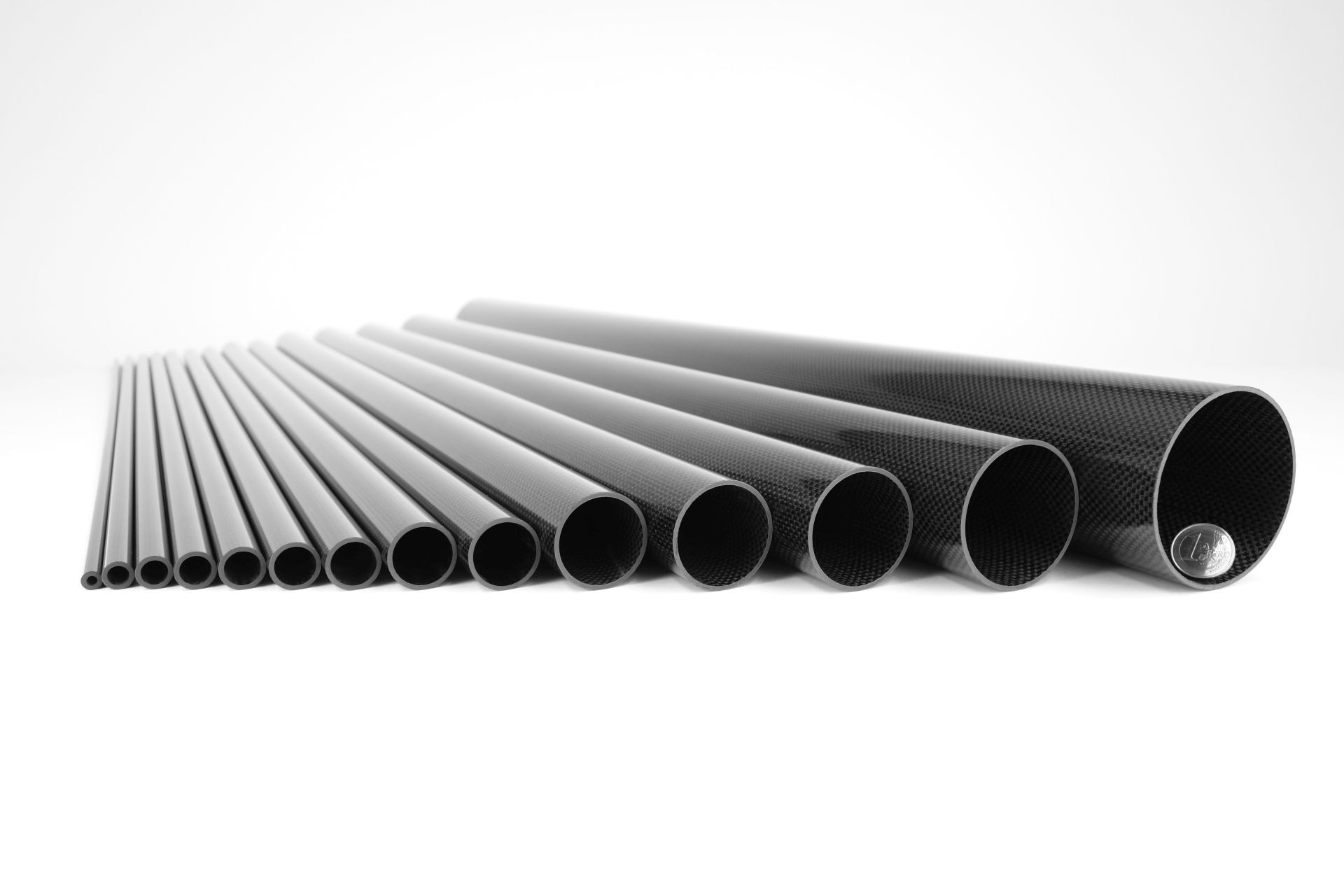
Carbon precision tubes 2mm wall thickness - the classics of the Allrounder series!All of our carbon precision tubes are made in the wrapping process and have a multi-layer carbon fiber structure with different fiber angles. They are characterized by a very good bending stiffness and a high longitudinal fiber content. Due to the precision grinding on the exact diameter, they are also ideal for being combined with other precision tubes for a plug. As an outer layer, carbon precision tubes have a coverage made of fabric in plain weave with an appealing high-gloss finish in order to meet even demanding design applications.Due to the variety of storage dimensions with finely graded diameters, we offer you a wide range of delivery from stock, without compromises.Carbon precision tubes - low weight with maximum precision.There are 3 different surfaces to choose from:• Winding surface (grip surface with good haptics - raw, unprocessed)• Ground (precision surface ground, smooth, matt)• Painted (high gloss coating, these tubes are also ground to precision)More information on the individual surfaces can be found in the “Info about tubes” areaMore information and explanations about carbon in general can be found in the "Carbon Basics" section.

Carbon precision tubes 1mm wall thickness - the light of the all-round series!All of our carbon precision tubes are made in the wrapping process and have a multi-layer carbon fiber structure with different fiber angles. They are characterized by a very good bending stiffness and a high longitudinal fiber content. Due to the precision grinding on the exact diameter, they are also ideal for being combined with other precision tubes for a plug. As an outer layer, carbon precision tubes have a coverage made of fabric in plain weave with an appealing high-gloss finish in order to meet even demanding design applications.Due to the variety of storage dimensions with finely graded diameters, we offer you a wide range of delivery from stock, without compromises.Carbon precision pipes - low weight with maximum precision.There are 3 different surfaces to choose from:• Winding surface (grip surface with good haptics - raw, unprocessed)• Ground (precision surface ground, smooth, matt)• Painted (high gloss coating, these tubes are also ground to precision)More information on the individual surfaces can be found in the “Info about tubes” areaMore information and explanations about carbon in general can be found in the "Carbon Basics" section.

Carbon precision tubes 1mm wall thickness - the light of the all-round series!All of our carbon precision tubes are made in the wrapping process and have a multi-layer carbon fiber structure with different fiber angles. They are characterized by a very good bending stiffness and a high longitudinal fiber content. Due to the precision grinding on the exact diameter, they are also ideal for being combined with other precision tubes for a plug. As an outer layer, carbon precision tubes have a coverage made of fabric in plain weave with an appealing high-gloss finish in order to meet even demanding design applications.Due to the variety of storage dimensions with finely graded diameters, we offer you a wide range of delivery from stock, without compromises.Carbon precision pipes - low weight with maximum precision.There are 3 different surfaces to choose from:• Winding surface (grip surface with good haptics - raw, unprocessed)• Ground (precision surface ground, smooth, matt)• Painted (high gloss coating, these tubes are also ground to precision)More information on the individual surfaces can be found in the “Info about tubes” areaMore information and explanations about carbon in general can be found in the "Carbon Basics" section.

Carbon precision tubes 1mm wall thickness - the light of the all-round series!All of our carbon precision tubes are made in the wrapping process and have a multi-layer carbon fiber structure with different fiber angles. They are characterized by a very good bending stiffness and a high longitudinal fiber content. Due to the precision grinding on the exact diameter, they are also ideal for being combined with other precision tubes for a plug. As an outer layer, carbon precision tubes have a coverage made of fabric in plain weave with an appealing high-gloss finish in order to meet even demanding design applications.Due to the variety of storage dimensions with finely graded diameters, we offer you a wide range of delivery from stock, without compromises.Carbon precision pipes - low weight with maximum precision.There are 3 different surfaces to choose from:• Winding surface (grip surface with good haptics - raw, unprocessed)• Ground (precision surface ground, smooth, matt)• Painted (high gloss coating, these tubes are also ground to precision)More information on the individual surfaces can be found in the “Info about tubes” areaMore information and explanations about carbon in general can be found in the "Carbon Basics" section.
Carbon precision tubes 2mm wall thickness - the classics of the Allrounder series!All of our carbon precision tubes are made in the wrapping process and have a multi-layer carbon fiber structure with different fiber angles. They are characterized by a very good bending stiffness and a high longitudinal fiber content. Due to the precision grinding on the exact diameter, they are also ideal for being combined with other precision tubes for a plug. As an outer layer, carbon precision tubes have a coverage made of fabric in plain weave with an appealing high-gloss finish in order to meet even demanding design applications.Due to the variety of storage dimensions with finely graded diameters, we offer you a wide range of delivery from stock, without compromises.Carbon precision tubes - low weight with maximum precision.There are 3 different surfaces to choose from:• Winding surface (grip surface with good haptics - raw, unprocessed)• Ground (precision surface ground, smooth, matt)• Painted (high gloss coating, these tubes are also ground to precision)More information on the individual surfaces can be found in the “Info about tubes” areaMore information and explanations about carbon in general can be found in the "Carbon Basics" section.

Carbon precision tubes 1.5mm wall thickness - the intermediate tubes of the all-round series!All of our carbon precision tubes are made in the wrapping process and have a multi-layer carbon fiber structure with different fiber angles. They are characterized by a very good bending stiffness and a high longitudinal fiber content. Due to the precision grinding on the exact diameter, they are also ideal for being combined with other precision tubes for a plug. As an outer layer, carbon precision tubes have a coverage made of fabric in plain weave with an appealing high-gloss finish in order to meet even demanding design applications.Due to the variety of storage dimensions with finely graded diameters, we offer you a wide range of delivery from stock, without compromises.Carbon precision tubes - low weight with maximum precision.There are 3 different surfaces to choose from:• Winding surface (grip surface with good haptics - raw, unprocessed)• Ground (precision surface ground, smooth, matt)• Painted (high gloss coating, these tubes are also ground to precision)More information on the individual surfaces can be found in the “Info about tubes” areaMore information and explanations about carbon in general can be found in the "Carbon Basics" section.

Carbon precision tubes 1mm wall thickness - the light of the all-round series!All of our carbon precision tubes are made in the wrapping process and have a multi-layer carbon fiber structure with different fiber angles. They are characterized by a very good bending stiffness and a high longitudinal fiber content. Due to the precision grinding on the exact diameter, they are also ideal for being combined with other precision tubes for a plug. As an outer layer, carbon precision tubes have a coverage made of fabric in plain weave with an appealing high-gloss finish in order to meet even demanding design applications.Due to the variety of storage dimensions with finely graded diameters, we offer you a wide range of delivery from stock, without compromises.Carbon precision pipes - low weight with maximum precision.There are 3 different surfaces to choose from:• Winding surface (grip surface with good haptics - raw, unprocessed)• Ground (precision surface ground, smooth, matt)• Painted (high gloss coating, these tubes are also ground to precision)More information on the individual surfaces can be found in the “Info about tubes” areaMore information and explanations about carbon in general can be found in the "Carbon Basics" section.

Carbon precision tubes 1mm wall thickness - the light of the all-round series!All of our carbon precision tubes are made in the wrapping process and have a multi-layer carbon fiber structure with different fiber angles. They are characterized by a very good bending stiffness and a high longitudinal fiber content. Due to the precision grinding on the exact diameter, they are also ideal for being combined with other precision tubes for a plug. As an outer layer, carbon precision tubes have a coverage made of fabric in plain weave with an appealing high-gloss finish in order to meet even demanding design applications.Due to the variety of storage dimensions with finely graded diameters, we offer you a wide range of delivery from stock, without compromises.Carbon precision pipes - low weight with maximum precision.There are 3 different surfaces to choose from:• Winding surface (grip surface with good haptics - raw, unprocessed)• Ground (precision surface ground, smooth, matt)• Painted (high gloss coating, these tubes are also ground to precision)More information on the individual surfaces can be found in the “Info about tubes” areaMore information and explanations about carbon in general can be found in the "Carbon Basics" section.
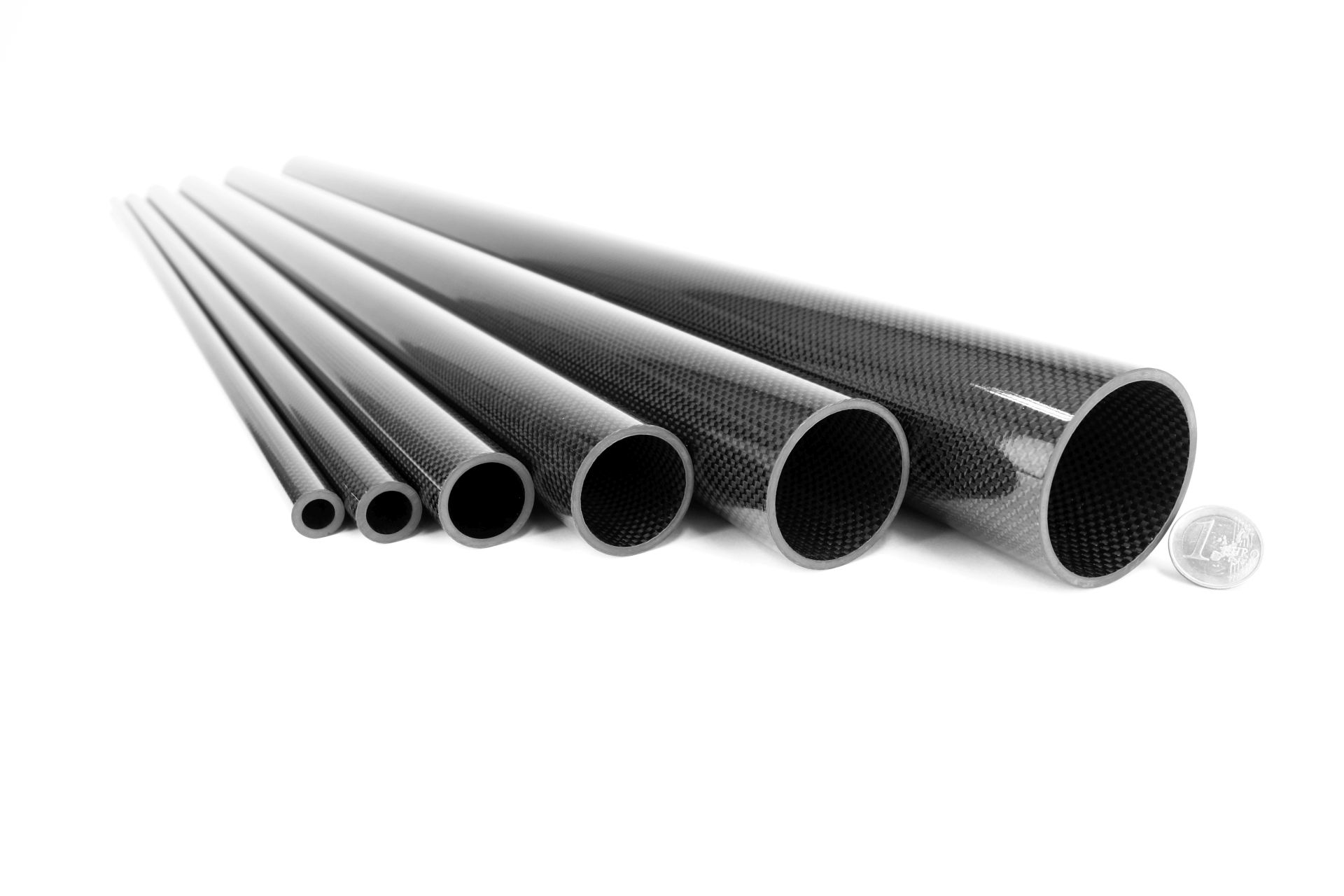
Carbon precision tubes 3mm wall thickness - the strong of the Allrounder series!All of our carbon precision tubes are manufactured using the winding process and have a multi-layer carbon fiber structure with different fiber angles. They are characterized by very good flexural rigidity and a high proportion of longitudinal fibers. Due to the precision grinding to the exact diameter, they are also ideal for being combined with other precision tubes to form a plug-in. As an outer layer, precision carbon tubes have a top layer of plain weave fabric with an attractive high-gloss finish to meet even the most demanding design applications.Due to the variety of bearing dimensions with finely graded diameters, we can offer you a wide range of products without compromise.Carbon precision tubes - low weight with maximum precision.There are 3 different surfaces to choose from:• Winding surface (grip surface with good haptics - raw, unprocessed)• Ground (precision surface ground, smooth, matt)• Painted (high gloss coating, these tubes are also ground to precision)More information on the individual surfaces can be found in the “Info about tubes” areaMore information and explanations about carbon in general can be found in the "Carbon Basics" section.
Carbon precision tubes 2mm wall thickness - the classics of the Allrounder series!All of our carbon precision tubes are made in the wrapping process and have a multi-layer carbon fiber structure with different fiber angles. They are characterized by a very good bending stiffness and a high longitudinal fiber content. Due to the precision grinding on the exact diameter, they are also ideal for being combined with other precision tubes for a plug. As an outer layer, carbon precision tubes have a coverage made of fabric in plain weave with an appealing high-gloss finish in order to meet even demanding design applications.Due to the variety of storage dimensions with finely graded diameters, we offer you a wide range of delivery from stock, without compromises.Carbon precision tubes - low weight with maximum precision.There are 3 different surfaces to choose from:• Winding surface (grip surface with good haptics - raw, unprocessed)• Ground (precision surface ground, smooth, matt)• Painted (high gloss coating, these tubes are also ground to precision)More information on the individual surfaces can be found in the “Info about tubes” areaMore information and explanations about carbon in general can be found in the "Carbon Basics" section.

Carbon precision tubes 1.5mm wall thickness - the intermediate tubes of the all-round series!All of our carbon precision tubes are made in the wrapping process and have a multi-layer carbon fiber structure with different fiber angles. They are characterized by a very good bending stiffness and a high longitudinal fiber content. Due to the precision grinding on the exact diameter, they are also ideal for being combined with other precision tubes for a plug. As an outer layer, carbon precision tubes have a coverage made of fabric in plain weave with an appealing high-gloss finish in order to meet even demanding design applications.Due to the variety of storage dimensions with finely graded diameters, we offer you a wide range of delivery from stock, without compromises.Carbon precision tubes - low weight with maximum precision.There are 3 different surfaces to choose from:• Winding surface (grip surface with good haptics - raw, unprocessed)• Ground (precision surface ground, smooth, matt)• Painted (high gloss coating, these tubes are also ground to precision)More information on the individual surfaces can be found in the “Info about tubes” areaMore information and explanations about carbon in general can be found in the "Carbon Basics" section.

Carbon precision tubes 1mm wall thickness - the light of the all-round series!All of our carbon precision tubes are made in the wrapping process and have a multi-layer carbon fiber structure with different fiber angles. They are characterized by a very good bending stiffness and a high longitudinal fiber content. Due to the precision grinding on the exact diameter, they are also ideal for being combined with other precision tubes for a plug. As an outer layer, carbon precision tubes have a coverage made of fabric in plain weave with an appealing high-gloss finish in order to meet even demanding design applications.Due to the variety of storage dimensions with finely graded diameters, we offer you a wide range of delivery from stock, without compromises.Carbon precision pipes - low weight with maximum precision.There are 3 different surfaces to choose from:• Winding surface (grip surface with good haptics - raw, unprocessed)• Ground (precision surface ground, smooth, matt)• Painted (high gloss coating, these tubes are also ground to precision)More information on the individual surfaces can be found in the “Info about tubes” areaMore information and explanations about carbon in general can be found in the "Carbon Basics" section.
Carbon precision tubes 2mm wall thickness - the classics of the Allrounder series!All of our carbon precision tubes are made in the wrapping process and have a multi-layer carbon fiber structure with different fiber angles. They are characterized by a very good bending stiffness and a high longitudinal fiber content. Due to the precision grinding on the exact diameter, they are also ideal for being combined with other precision tubes for a plug. As an outer layer, carbon precision tubes have a coverage made of fabric in plain weave with an appealing high-gloss finish in order to meet even demanding design applications.Due to the variety of storage dimensions with finely graded diameters, we offer you a wide range of delivery from stock, without compromises.Carbon precision tubes - low weight with maximum precision.There are 3 different surfaces to choose from:• Winding surface (grip surface with good haptics - raw, unprocessed)• Ground (precision surface ground, smooth, matt)• Painted (high gloss coating, these tubes are also ground to precision)More information on the individual surfaces can be found in the “Info about tubes” areaMore information and explanations about carbon in general can be found in the "Carbon Basics" section.
Carbon precision tubes 3mm wall thickness - the strong of the Allrounder series!All of our carbon precision tubes are manufactured using the winding process and have a multi-layer carbon fiber structure with different fiber angles. They are characterized by very good flexural rigidity and a high proportion of longitudinal fibers. Due to the precision grinding to the exact diameter, they are also ideal for being combined with other precision tubes to form a plug-in. As an outer layer, precision carbon tubes have a top layer of plain weave fabric with an attractive high-gloss finish to meet even the most demanding design applications.Due to the variety of bearing dimensions with finely graded diameters, we can offer you a wide range of products without compromise.Carbon precision tubes - low weight with maximum precision.There are 3 different surfaces to choose from:• Winding surface (grip surface with good haptics - raw, unprocessed)• Ground (precision surface ground, smooth, matt)• Painted (high gloss coating, these tubes are also ground to precision)More information on the individual surfaces can be found in the “Info about tubes” areaMore information and explanations about carbon in general can be found in the "Carbon Basics" section.
Carbon precision tubes 2mm wall thickness - the classics of the Allrounder series!All of our carbon precision tubes are made in the wrapping process and have a multi-layer carbon fiber structure with different fiber angles. They are characterized by a very good bending stiffness and a high longitudinal fiber content. Due to the precision grinding on the exact diameter, they are also ideal for being combined with other precision tubes for a plug. As an outer layer, carbon precision tubes have a coverage made of fabric in plain weave with an appealing high-gloss finish in order to meet even demanding design applications.Due to the variety of storage dimensions with finely graded diameters, we offer you a wide range of delivery from stock, without compromises.Carbon precision tubes - low weight with maximum precision.There are 3 different surfaces to choose from:• Winding surface (grip surface with good haptics - raw, unprocessed)• Ground (precision surface ground, smooth, matt)• Painted (high gloss coating, these tubes are also ground to precision)More information on the individual surfaces can be found in the “Info about tubes” areaMore information and explanations about carbon in general can be found in the "Carbon Basics" section.

Carbon precision tubes 1mm wall thickness - the light of the all-round series!All of our carbon precision tubes are made in the wrapping process and have a multi-layer carbon fiber structure with different fiber angles. They are characterized by a very good bending stiffness and a high longitudinal fiber content. Due to the precision grinding on the exact diameter, they are also ideal for being combined with other precision tubes for a plug. As an outer layer, carbon precision tubes have a coverage made of fabric in plain weave with an appealing high-gloss finish in order to meet even demanding design applications.Due to the variety of storage dimensions with finely graded diameters, we offer you a wide range of delivery from stock, without compromises.Carbon precision pipes - low weight with maximum precision.There are 3 different surfaces to choose from:• Winding surface (grip surface with good haptics - raw, unprocessed)• Ground (precision surface ground, smooth, matt)• Painted (high gloss coating, these tubes are also ground to precision)More information on the individual surfaces can be found in the “Info about tubes” areaMore information and explanations about carbon in general can be found in the "Carbon Basics" section.

Carbon precision tubes 1.5mm wall thickness - the intermediate tubes of the all-round series!All of our carbon precision tubes are made in the wrapping process and have a multi-layer carbon fiber structure with different fiber angles. They are characterized by a very good bending stiffness and a high longitudinal fiber content. Due to the precision grinding on the exact diameter, they are also ideal for being combined with other precision tubes for a plug. As an outer layer, carbon precision tubes have a coverage made of fabric in plain weave with an appealing high-gloss finish in order to meet even demanding design applications.Due to the variety of storage dimensions with finely graded diameters, we offer you a wide range of delivery from stock, without compromises.Carbon precision tubes - low weight with maximum precision.There are 3 different surfaces to choose from:• Winding surface (grip surface with good haptics - raw, unprocessed)• Ground (precision surface ground, smooth, matt)• Painted (high gloss coating, these tubes are also ground to precision)More information on the individual surfaces can be found in the “Info about tubes” areaMore information and explanations about carbon in general can be found in the "Carbon Basics" section.
Carbon precision tubes 3mm wall thickness - the strong of the Allrounder series!All of our carbon precision tubes are manufactured using the winding process and have a multi-layer carbon fiber structure with different fiber angles. They are characterized by very good flexural rigidity and a high proportion of longitudinal fibers. Due to the precision grinding to the exact diameter, they are also ideal for being combined with other precision tubes to form a plug-in. As an outer layer, precision carbon tubes have a top layer of plain weave fabric with an attractive high-gloss finish to meet even the most demanding design applications.Due to the variety of bearing dimensions with finely graded diameters, we can offer you a wide range of products without compromise.Carbon precision tubes - low weight with maximum precision.There are 3 different surfaces to choose from:• Winding surface (grip surface with good haptics - raw, unprocessed)• Ground (precision surface ground, smooth, matt)• Painted (high gloss coating, these tubes are also ground to precision)More information on the individual surfaces can be found in the “Info about tubes” areaMore information and explanations about carbon in general can be found in the "Carbon Basics" section.
Carbon precision tubes 2mm wall thickness - the classics of the Allrounder series!All of our carbon precision tubes are made in the wrapping process and have a multi-layer carbon fiber structure with different fiber angles. They are characterized by a very good bending stiffness and a high longitudinal fiber content. Due to the precision grinding on the exact diameter, they are also ideal for being combined with other precision tubes for a plug. As an outer layer, carbon precision tubes have a coverage made of fabric in plain weave with an appealing high-gloss finish in order to meet even demanding design applications.Due to the variety of storage dimensions with finely graded diameters, we offer you a wide range of delivery from stock, without compromises.Carbon precision tubes - low weight with maximum precision.There are 3 different surfaces to choose from:• Winding surface (grip surface with good haptics - raw, unprocessed)• Ground (precision surface ground, smooth, matt)• Painted (high gloss coating, these tubes are also ground to precision)More information on the individual surfaces can be found in the “Info about tubes” areaMore information and explanations about carbon in general can be found in the "Carbon Basics" section.
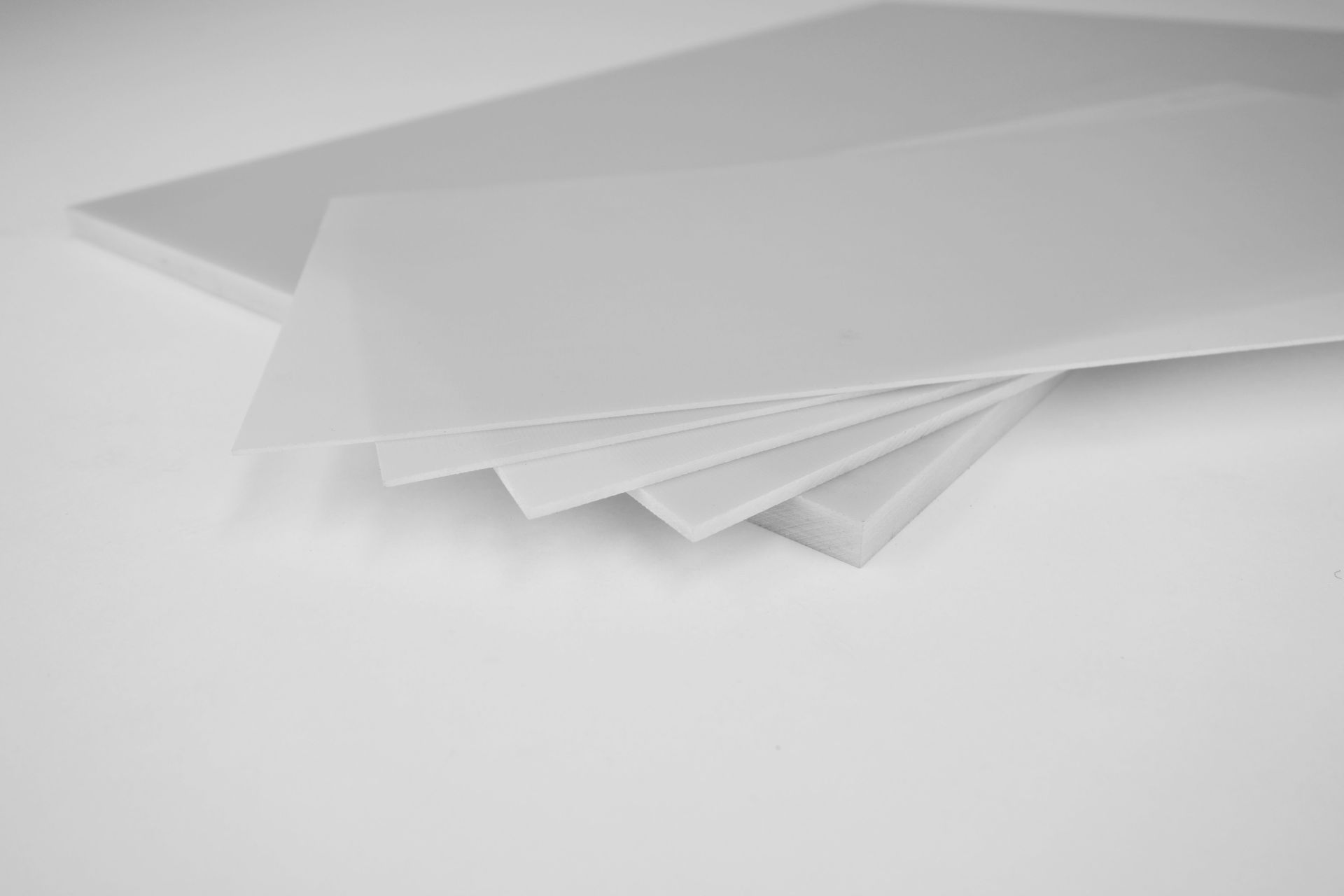
The glass fiber plate is made with an epoxy resin matrix using a high-pressure thermal molding process. Temperature resistance is guaranteed for a short time up to 180°C. The panel surfaces are smooth and slightly matt.Note (toxicity):The plates are free of- Halogen- antimony compounds- nitrogen compounds- Sulfur- PhosphorusTechnical characteristics:Bending strength: about 350 MPaModulus of elasticity from the bending test: approx. 22 GPaTensile strength: about 240 MPaVertical compressive strength: approx. 500 MPaDensity: 2 g/cm³
The glass fiber plate is made with an epoxy resin matrix using a high-pressure thermal molding process. Temperature resistance is guaranteed for a short time up to 180°C. The panel surfaces are smooth and slightly matt.Note (toxicity):The plates are free of- Halogen- antimony compounds- nitrogen compounds- Sulfur- PhosphorusTechnical characteristics:Bending strength: about 350 MPaModulus of elasticity from the bending test: approx. 22 GPaTensile strength: about 240 MPaVertical compressive strength: approx. 500 MPaDensity: 2 g/cm³
The glass fiber plate is made with an epoxy resin matrix using a high-pressure thermal molding process. Temperature resistance is guaranteed for a short time up to 180°C. The panel surfaces are smooth and slightly matt.Note (toxicity):The plates are free of- Halogen- antimony compounds- nitrogen compounds- Sulfur- PhosphorusTechnical characteristics:Bending strength: about 350 MPaModulus of elasticity from the bending test: approx. 22 GPaTensile strength: about 240 MPaVertical compressive strength: approx. 500 MPaDensity: 2 g/cm³
The glass fiber plate is made with an epoxy resin matrix using a high-pressure thermal molding process. Temperature resistance is guaranteed for a short time up to 180°C. The panel surfaces are smooth and slightly matt.Note (toxicity):The plates are free of- Halogen- antimony compounds- nitrogen compounds- Sulfur- PhosphorusTechnical characteristics:Bending strength: about 350 MPaModulus of elasticity from the bending test: approx. 22 GPaTensile strength: about 240 MPaVertical compressive strength: approx. 500 MPaDensity: 2 g/cm³
The glass fiber plate is made with an epoxy resin matrix using a high-pressure thermal molding process. Temperature resistance is guaranteed for a short time up to 180°C. The panel surfaces are smooth and slightly matt.Note (toxicity):The plates are free of- Halogen- antimony compounds- nitrogen compounds- Sulfur- PhosphorusTechnical characteristics:Bending strength: about 350 MPaModulus of elasticity from the bending test: approx. 22 GPaTensile strength: about 240 MPaVertical compressive strength: approx. 500 MPaDensity: 2 g/cm³
The glass fiber plate is made with an epoxy resin matrix using a high-pressure thermal molding process. Temperature resistance is guaranteed for a short time up to 180°C. The panel surfaces are smooth and slightly matt.Note (toxicity):The plates are free of- Halogen- antimony compounds- nitrogen compounds- Sulfur- PhosphorusTechnical characteristics:Bending strength: about 350 MPaModulus of elasticity from the bending test: approx. 22 GPaTensile strength: about 240 MPaVertical compressive strength: approx. 500 MPaDensity: 2 g/cm³
The glass fiber plate is made with an epoxy resin matrix using a high-pressure thermal molding process. Temperature resistance is guaranteed for a short time up to 180°C. The panel surfaces are smooth and slightly matt.Note (toxicity):The plates are free of- Halogen- antimony compounds- nitrogen compounds- Sulfur- PhosphorusTechnical characteristics:Bending strength: about 350 MPaModulus of elasticity from the bending test: approx. 22 GPaTensile strength: about 240 MPaVertical compressive strength: approx. 500 MPaDensity: 2 g/cm³
The glass fiber plate is made with an epoxy resin matrix using a high-pressure thermal molding process. Temperature resistance is guaranteed for a short time up to 180°C. The panel surfaces are smooth and slightly matt.Note (toxicity):The plates are free of- Halogen- antimony compounds- nitrogen compounds- Sulfur- PhosphorusTechnical characteristics:Bending strength: about 350 MPaModulus of elasticity from the bending test: approx. 22 GPaTensile strength: about 240 MPaVertical compressive strength: approx. 500 MPaDensity: 2 g/cm³
The glass fiber plate is made with an epoxy resin matrix using a high-pressure thermal molding process. Temperature resistance is guaranteed for a short time up to 180°C. The panel surfaces are smooth and slightly matt.Note (toxicity):The plates are free of- Halogen- antimony compounds- nitrogen compounds- Sulfur- PhosphorusTechnical characteristics:Bending strength: about 350 MPaModulus of elasticity from the bending test: approx. 22 GPaTensile strength: about 240 MPaVertical compressive strength: approx. 500 MPaDensity: 2 g/cm³
The glass fiber plate is made with an epoxy resin matrix using a high-pressure thermal molding process. Temperature resistance is guaranteed for a short time up to 180°C. The panel surfaces are smooth and slightly matt.Note (toxicity):The plates are free of- Halogen- antimony compounds- nitrogen compounds- Sulfur- PhosphorusTechnical characteristics:Bending strength: about 350 MPaModulus of elasticity from the bending test: approx. 22 GPaTensile strength: about 240 MPaVertical compressive strength: approx. 500 MPaDensity: 2 g/cm³
The glass fiber plate is made with an epoxy resin matrix using a high-pressure thermal molding process. Temperature resistance is guaranteed for a short time up to 180°C. The panel surfaces are smooth and slightly matt.Note (toxicity):The plates are free of- Halogen- antimony compounds- nitrogen compounds- Sulfur- PhosphorusTechnical characteristics:Bending strength: about 350 MPaModulus of elasticity from the bending test: approx. 22 GPaTensile strength: about 240 MPaVertical compressive strength: approx. 500 MPaDensity: 2 g/cm³