
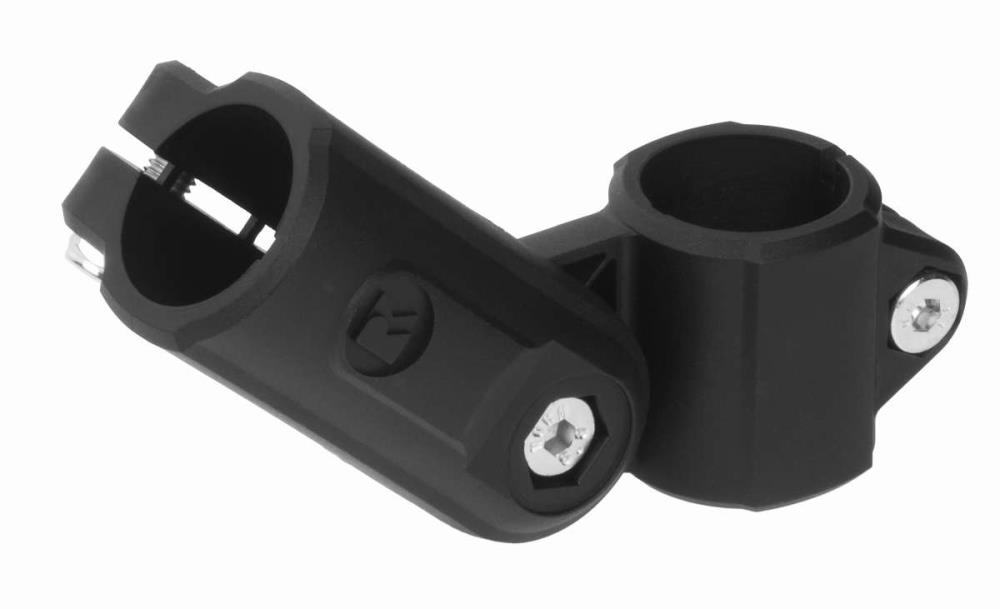
Adjustable clamp GWZ for tubes Ø30mm
Clamping A+B: 30mm (reducing sleeves to 25mm and 20mm are available separately)C: 45mmD: 40mmE: 41.5mmF: 45mmG: 40mmH: 43mmL: 143.5mmM: 68mmN: 52.5mmO: 32.5mmP: 28.5mmS: M8Weight: 178gTip:You can find our round carbon tubes with matching outside diameters here: 30mm / 25mm / 20mm.And here you will find our matching carbon square tubes.
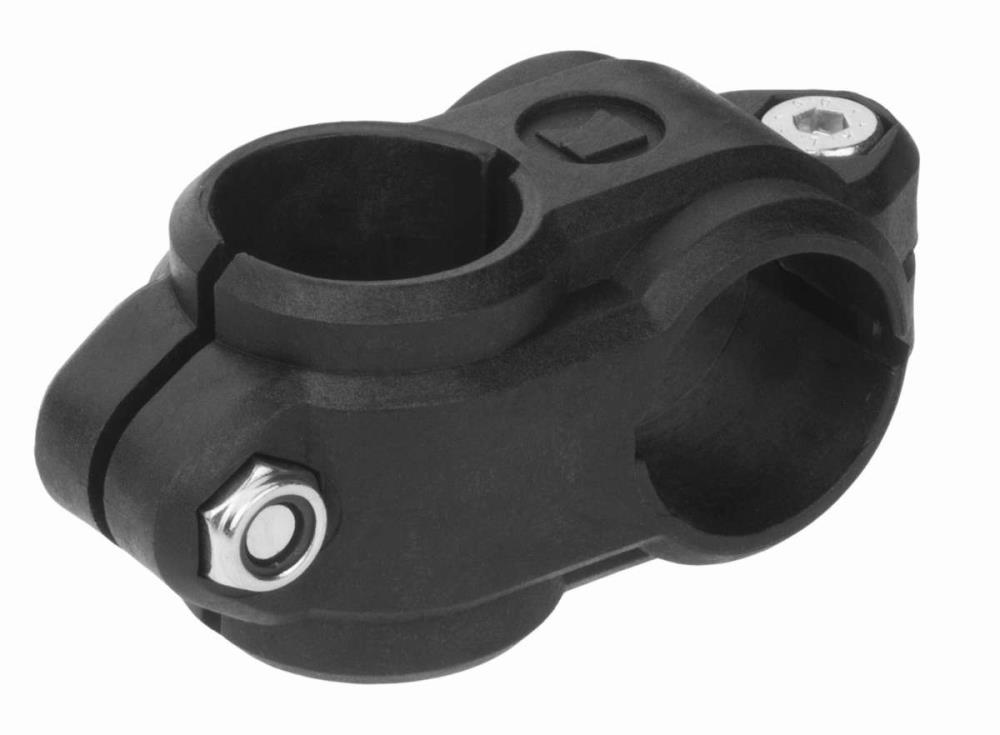
Cross clamp K for tubes Ø30mm
Clamping A+B: 30mm (reducing sleeves to 25mm and 20mm are available separately)C: 33mmD: 45mmK: 72mmL: 99mmP: 28.5mmR: 77mmS: M8Weight: 132gTip:You can find our round carbon tubes with matching outside diameters here: 30mm / 25mm / 20mm.And here you will find our matching carbon square tubes.
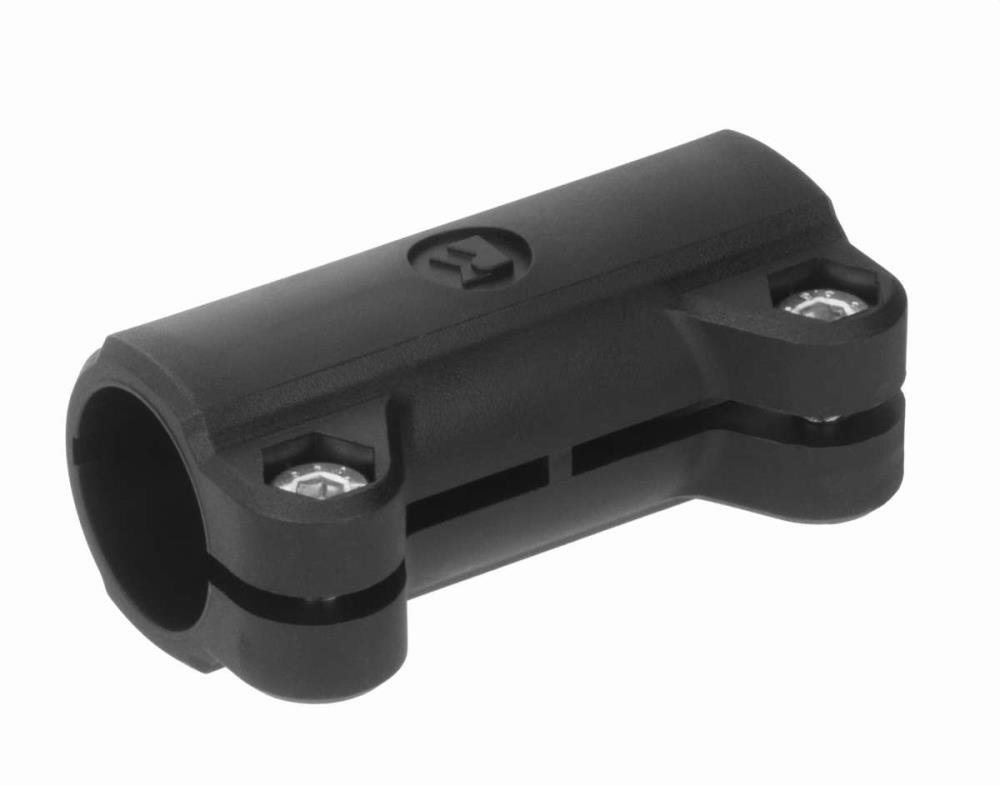
Sleeve clamp M for tubes Ø30mm
Clamping A+B: 30mm (reducing sleeves to 25mm and 20mm are available separately)C: 52.5mmD: 40mmL: 95mmP: 28.5mmQ: 73mmR: 22.8mmS: M8Weight: 87gTip:You can find our round carbon tubes with matching outside diameters here: 30mm / 25mm / 20mm.And here you will find our matching carbon square tubes.
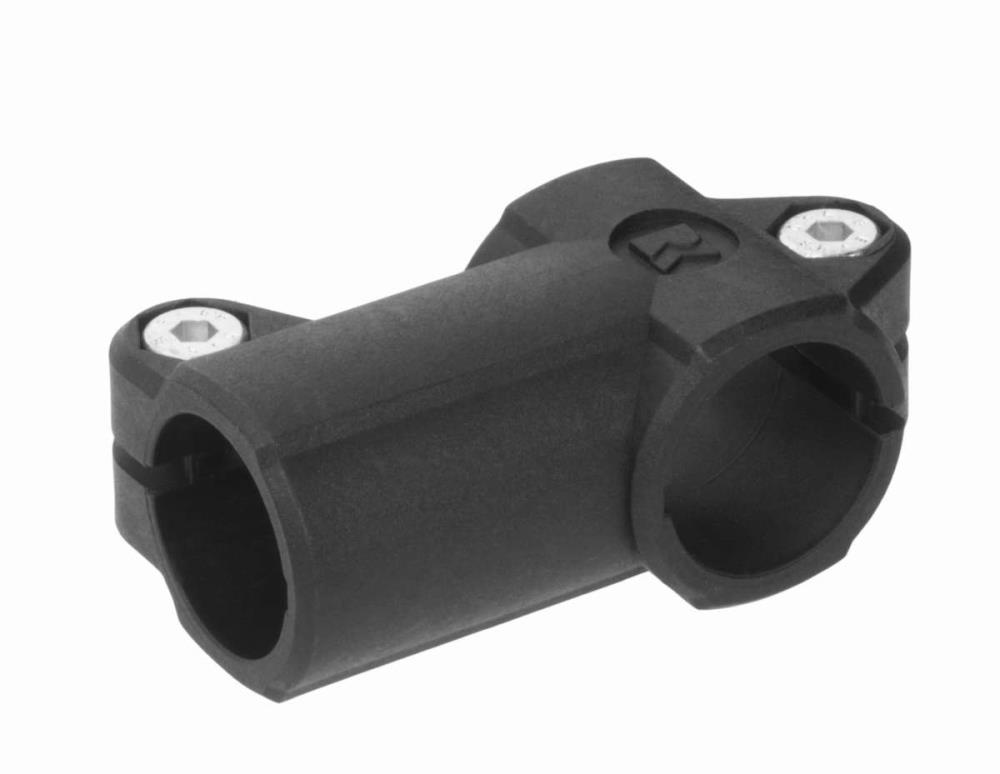
Angle clamp W for tubes Ø30mm
Clamping A+B: 30mm (reducing sleeves to 25mm and 20mm are available separately)C: 45mmD: 40mmE: 45mmF: 52.5mmG: 40mmH: 41.5mmK: 85mmL: 97.5mmM: 65mmP: 28.5mmR: 75.5mmS: M8Weight: 115gTip:You can find our round carbon tubes with matching outside diameters here: 30mm / 25mm / 20mm.And here you will find our matching carbon square tubes.

Angle clamp WER for tubes Ø30mm
Clamping B: 30mm (reducing sleeves to 25mm and 20mm are available separately)For clamping A, the appropriate reducing insert for clamping round Ø30mm is included.S: M8For additional dimensions, see drawingWeight: 189g + reducing insert approx. 10gTip:You can find our round carbon tubes with matching outside diameters here: 30mm / 25mm / 20mm.And here you will find our matching carbon square tubes.
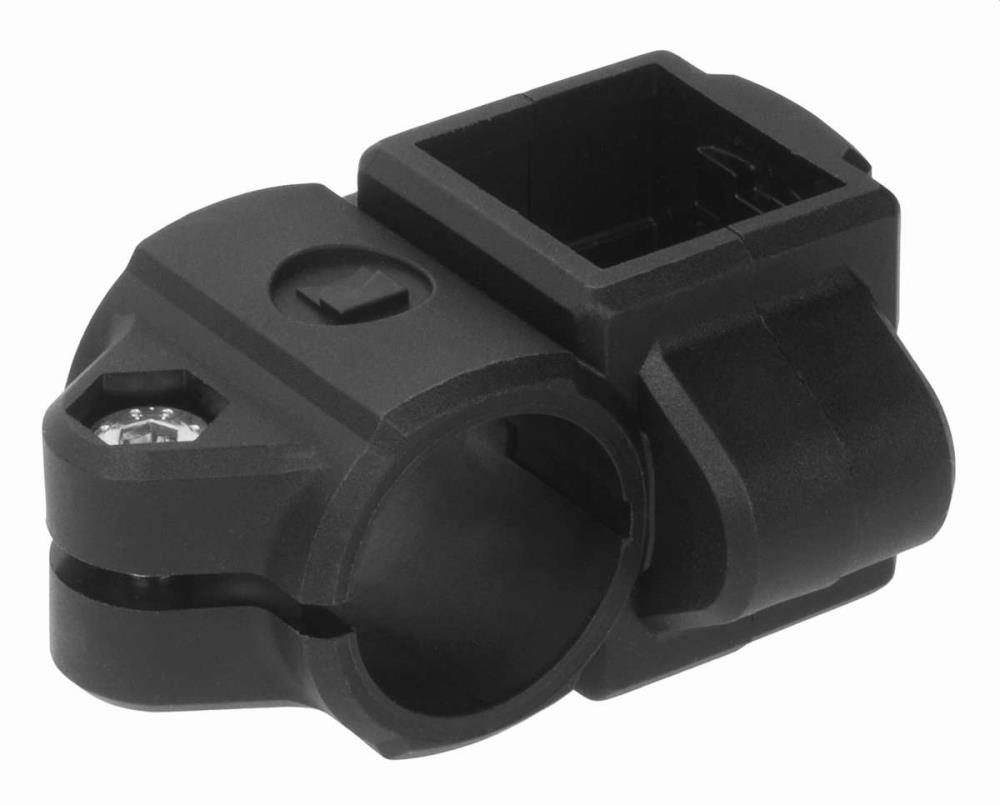
Cross clamp KVR for tubes Ø30mm + 30x30mm
Clamping A+B: 30mm (reducing sleeves to 25mm and 20mm are available separately)Weight: 117gTip:You can find our round carbon tubes with matching outside diameters here: 30mm / 25mm / 20mm.And here you will find our matching carbon square tubes.
Flange clamp FKV for tubes 30x30mm
Clamp A: 30mmWeight: 84gTip: Here you will find our matching carbon square tubes.
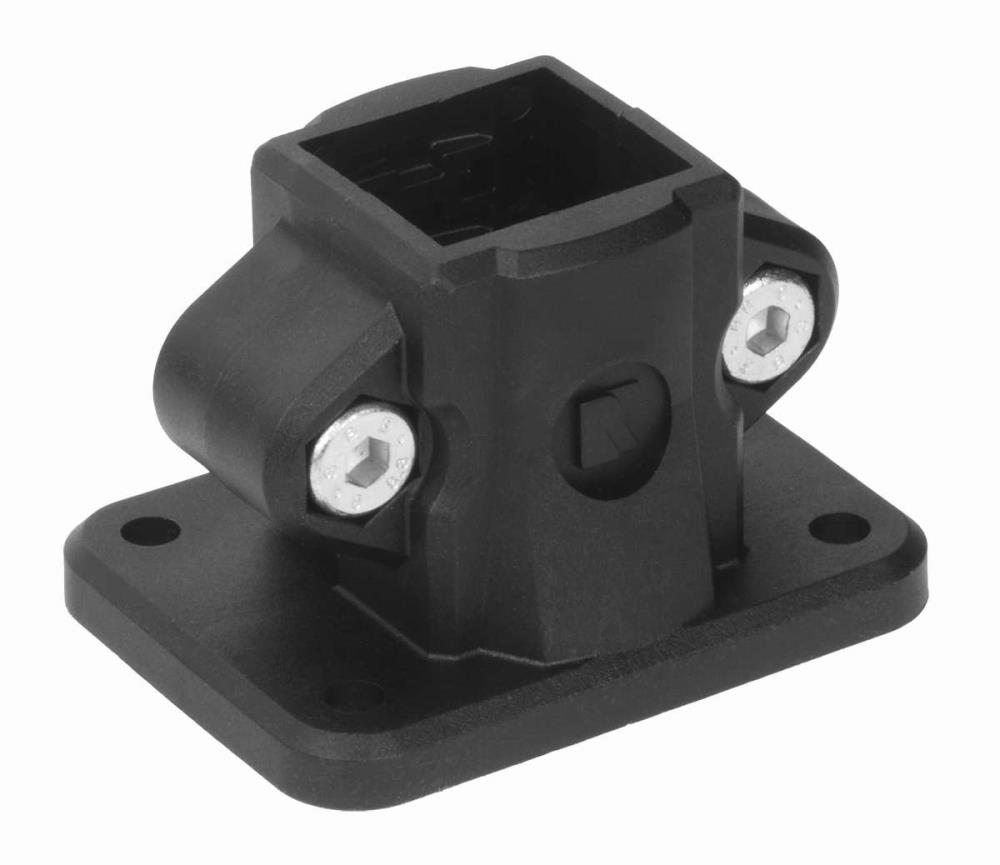
Foot clamp FV for tubes 30x30mm
Clamping A: 30mm (reducing sleeves to 25mm and 20mm are available separately)W: 6.5mmC: 41.5mmD: 40mmE: 52.5W: 60mmK: 40mmL: 50mmM: 60mmN: 8mmP: 28.5mmR: 39mmS: M8Weight: 75gTip:You can find our round carbon tubes with matching outside diameters here: 30mm / 25mm / 20mm.And here you will find our matching carbon square tubes.
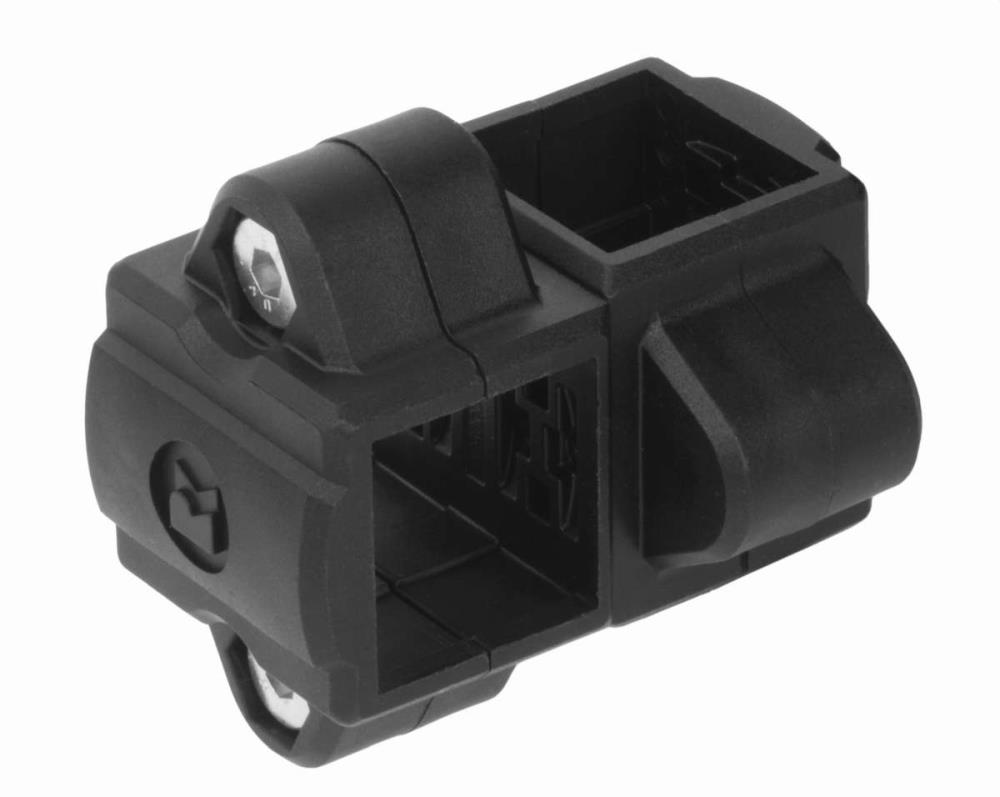
Cross clamp KV for tubes 30x30mm
Clamping A+B: 30mmWeight: 171gTip: Here you will find our matching carbon square tubes.
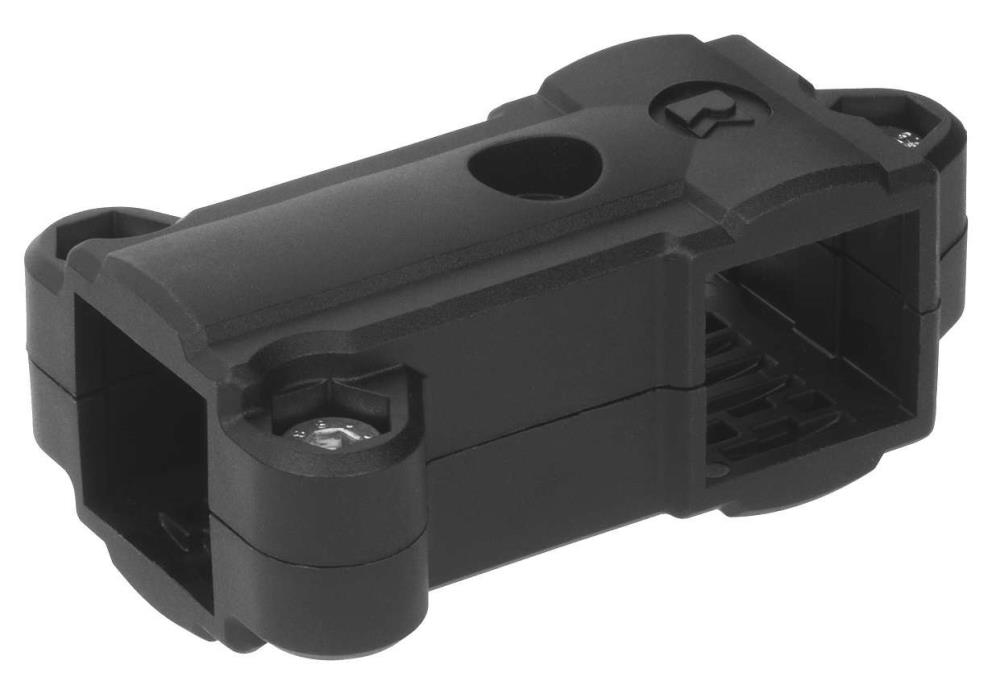
Angle clamp WV for tubes 30x30mm
Clamping A+B: 30mmWeight: 194gTip: Here you will find our matching carbon square tubes.
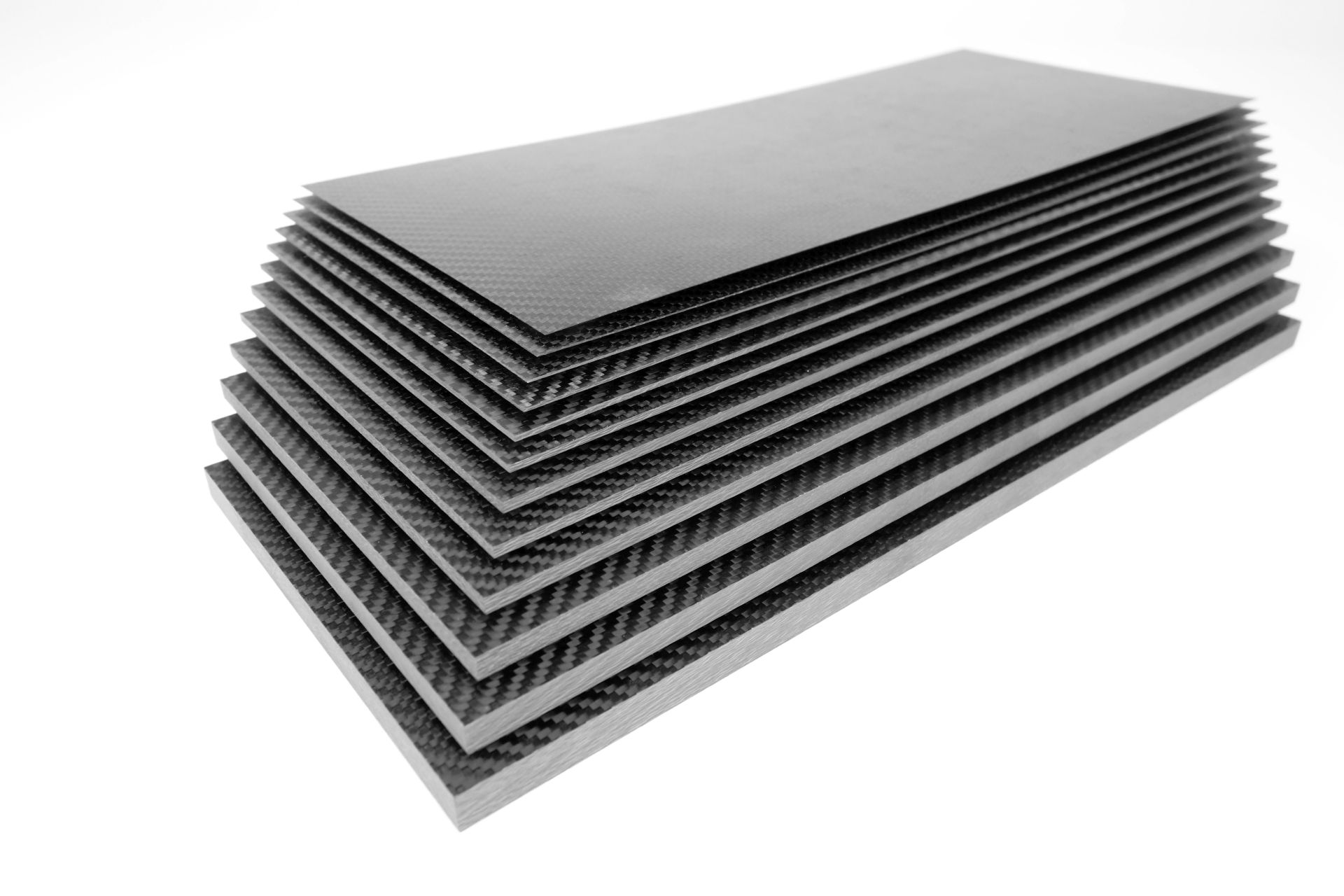
Carbon Plate 0.3mm
The carbon plates are manufactured using the thermal high-pressure hot-press process and therefore have a high fiber volume content of >65%. An epoxy resin matrix serves as the matrix material. The carbon plates are made of carbon fabric throughout and have a homogeneous, biaxial fiber distribution in 0°/90°.The plates are made of 1 layer 3K fabric in a twill weave, are smooth and have the typical visible carbon fabric structure.The thickness is approx. 0,25mm.Due to the high pressing pressure during the manufacturing process, these carbon plates achieve outstanding properties in the area of flexural strength as well as torsional and dimensional stability.The panels have the following characteristic laminate values:Flexural strength EN2562: 850 MPaFlexural modulus EN2562: 60 GPaTensile strength ISO 527: 650 MPaTensile modulus of elasticity ISO 527: 60 GPaCoefficient of thermal expansion: 1 E^-06 1/KI.L.S.S. EN2563: ~70MPaDensity: 1.56 g/cm³Fiber weight percentage: >65%Glass transition temperature (short term): 130°C (180°C)Water absorption: < 0.04%
Carbon Plate 0.5mm
The carbon plates are manufactured using the thermal high-pressure hot-press process and therefore have a high fiber volume content of >65%. An epoxy resin matrix serves as the matrix material. The carbon plates are made of carbon fabric throughout and have a homogeneous, biaxial fiber distribution in 0°/90°.The outer layers are made of 3K fabric in a twill weave, are smooth and have the typical visible carbon fabric structure.Due to the high pressing pressure during the manufacturing process, these carbon plates achieve outstanding properties in the area of flexural strength as well as torsional and dimensional stability.The panels have the following characteristic laminate values:Flexural strength EN2562: 850 MPaFlexural modulus EN2562: 60 GPaTensile strength ISO 527: 650 MPaTensile modulus of elasticity ISO 527: 60 GPaCoefficient of thermal expansion: 1 E^-06 1/KI.L.S.S. EN2563: ~70MPaDensity: 1.56 g/cm³Fiber weight percentage: >65%Glass transition temperature (short term): 130°C (180°C)Water absorption: < 0.04%
Carbon Plate 0.7mm
The carbon plates are manufactured using the thermal high-pressure hot-press process and therefore have a high fiber volume content of >65%. An epoxy resin matrix serves as the matrix material. The carbon plates are made of carbon fabric throughout and have a homogeneous, biaxial fiber distribution in 0°/90°.The outer layers are made of 3K fabric in a twill weave, are smooth and have the typical visible carbon fabric structure.Due to the high pressing pressure during the manufacturing process, these carbon plates achieve outstanding properties in the area of flexural strength as well as torsional and dimensional stability.The panels have the following characteristic laminate values:Flexural strength EN2562: 850 MPaFlexural modulus EN2562: 60 GPaTensile strength ISO 527: 650 MPaTensile modulus of elasticity ISO 527: 60 GPaCoefficient of thermal expansion: 1 E^-06 1/KI.L.S.S. EN2563: ~70MPaDensity: 1.56 g/cm³Fiber weight percentage: >65%Glass transition temperature (short term): 130°C (180°C)Water absorption: < 0.04%
Carbon Plate 1.0mm
The carbon plates are manufactured using the thermal high-pressure hot-press process and therefore have a high fiber volume content of >65%. An epoxy resin matrix serves as the matrix material. The carbon plates are made of carbon fabric throughout and have a homogeneous, biaxial fiber distribution in 0°/90°.The outer layers are made of 3K fabric in a twill weave, are smooth and have the typical visible carbon fabric structure.Due to the high pressing pressure during the manufacturing process, these carbon plates achieve outstanding properties in the area of flexural strength as well as torsional and dimensional stability.The panels have the following characteristic laminate values:Flexural strength EN2562: 850 MPaFlexural modulus EN2562: 60 GPaTensile strength ISO 527: 650 MPaTensile modulus of elasticity ISO 527: 60 GPaCoefficient of thermal expansion: 1 E^-06 1/KI.L.S.S. EN2563: ~70MPaDensity: 1.56 g/cm³Fiber weight percentage: >65%Glass transition temperature (short term): 130°C (180°C)Water absorption: < 0.04%
Carbon Plate 1.5mm
The carbon plates are manufactured using the thermal high-pressure hot-press process and therefore have a high fiber volume content of >65%. An epoxy resin matrix serves as the matrix material. The carbon plates are made of carbon fabric throughout and have a homogeneous, biaxial fiber distribution in 0°/90°.The outer layers are made of 3K fabric in a twill weave, are smooth and have the typical visible carbon fabric structure.Due to the high pressing pressure during the manufacturing process, these carbon plates achieve outstanding properties in the area of flexural strength as well as torsional and dimensional stability.The panels have the following characteristic laminate values:Flexural strength EN2562: 850 MPaFlexural modulus EN2562: 60 GPaTensile strength ISO 527: 650 MPaTensile modulus of elasticity ISO 527: 60 GPaCoefficient of thermal expansion: 1 E^-06 1/KI.L.S.S. EN2563: ~70MPaDensity: 1.56 g/cm³Fiber weight percentage: >65%Glass transition temperature (short term): 130°C (180°C)Water absorption: < 0.04%
Carbon Plate 2.0mm
The carbon plates are manufactured using the thermal high-pressure hot-press process and therefore have a high fiber volume content of >65%. An epoxy resin matrix serves as the matrix material. The carbon plates are made of carbon fabric throughout and have a homogeneous, biaxial fiber distribution in 0°/90°.The outer layers are made of 3K fabric in a twill weave, are smooth and have the typical visible carbon fabric structure.Due to the high pressing pressure during the manufacturing process, these carbon plates achieve outstanding properties in the area of flexural strength as well as torsional and dimensional stability.The panels have the following characteristic laminate values:Flexural strength EN2562: 850 MPaFlexural modulus EN2562: 60 GPaTensile strength ISO 527: 650 MPaTensile modulus of elasticity ISO 527: 60 GPaCoefficient of thermal expansion: 1 E^-06 1/KI.L.S.S. EN2563: ~70MPaDensity: 1.56 g/cm³Fiber weight percentage: >65%Glass transition temperature (short term): 130°C (180°C)Water absorption: < 0.04%
Carbon Plate 2.5mm
The carbon plates are manufactured using the thermal high-pressure hot-press process and therefore have a high fiber volume content of >65%. An epoxy resin matrix serves as the matrix material. The carbon plates are made of carbon fabric throughout and have a homogeneous, biaxial fiber distribution in 0°/90°.The outer layers are made of 3K fabric in a twill weave, are smooth and have the typical visible carbon fabric structure.Due to the high pressing pressure during the manufacturing process, these carbon plates achieve outstanding properties in the area of flexural strength as well as torsional and dimensional stability.The panels have the following characteristic laminate values:Flexural strength EN2562: 850 MPaFlexural modulus EN2562: 60 GPaTensile strength ISO 527: 650 MPaTensile modulus of elasticity ISO 527: 60 GPaCoefficient of thermal expansion: 1 E^-06 1/KI.L.S.S. EN2563: ~70MPaDensity: 1.56 g/cm³Fiber weight percentage: >65%Glass transition temperature (short term): 130°C (180°C)Water absorption: < 0.04%
Carbon Plate 3.0mm
The carbon plates are manufactured using the thermal high-pressure hot-press process and therefore have a high fiber volume content of >65%. An epoxy resin matrix serves as the matrix material. The carbon plates are made of carbon fabric throughout and have a homogeneous, biaxial fiber distribution in 0°/90°.The outer layers are made of 3K fabric in a twill weave, are smooth and have the typical visible carbon fabric structure.Due to the high pressing pressure during the manufacturing process, these carbon plates achieve outstanding properties in the area of flexural strength as well as torsional and dimensional stability.The panels have the following characteristic laminate values:Flexural strength EN2562: 850 MPaFlexural modulus EN2562: 60 GPaTensile strength ISO 527: 650 MPaTensile modulus of elasticity ISO 527: 60 GPaCoefficient of thermal expansion: 1 E^-06 1/KI.L.S.S. EN2563: ~70MPaDensity: 1.56 g/cm³Fiber weight percentage: >65%Glass transition temperature (short term): 130°C (180°C)Water absorption: < 0.04%
Carbon Plate 4.0mm
The carbon plates are manufactured using the thermal high-pressure hot-press process and therefore have a high fiber volume content of >65%. An epoxy resin matrix serves as the matrix material. The carbon plates are made of carbon fabric throughout and have a homogeneous, biaxial fiber distribution in 0°/90°.The outer layers are made of 3K fabric in a twill weave, are smooth and have the typical visible carbon fabric structure.Due to the high pressing pressure during the manufacturing process, these carbon plates achieve outstanding properties in the area of flexural strength as well as torsional and dimensional stability.The panels have the following characteristic laminate values:Flexural strength EN2562: 850 MPaFlexural modulus EN2562: 60 GPaTensile strength ISO 527: 650 MPaTensile modulus of elasticity ISO 527: 60 GPaCoefficient of thermal expansion: 1 E^-06 1/KI.L.S.S. EN2563: ~70MPaDensity: 1.56 g/cm³Fiber weight percentage: >65%Glass transition temperature (short term): 130°C (180°C)Water absorption: < 0.04%
Carbon Plate 5.0mm
The carbon plates are manufactured using the thermal high-pressure hot-press process and therefore have a high fiber volume content of >65%. An epoxy resin matrix serves as the matrix material. The carbon plates are made of carbon fabric throughout and have a homogeneous, biaxial fiber distribution in 0°/90°.The outer layers are made of 3K fabric in a twill weave, are smooth and have the typical visible carbon fabric structure.Due to the high pressing pressure during the manufacturing process, these carbon plates achieve outstanding properties in the area of flexural strength as well as torsional and dimensional stability.The panels have the following characteristic laminate values:Flexural strength EN2562: 850 MPaFlexural modulus EN2562: 60 GPaTensile strength ISO 527: 650 MPaTensile modulus of elasticity ISO 527: 60 GPaCoefficient of thermal expansion: 1 E^-06 1/KI.L.S.S. EN2563: ~70MPaDensity: 1.56 g/cm³Fiber weight percentage: >65%Glass transition temperature (short term): 130°C (180°C)Water absorption: < 0.04%
Carbon Plate 6.0mm
The carbon plates are manufactured using the thermal high-pressure hot-press process and therefore have a high fiber volume content of >65%. An epoxy resin matrix serves as the matrix material. The carbon plates are made of carbon fabric throughout and have a homogeneous, biaxial fiber distribution in 0°/90°.The outer layers are made of 3K fabric in a twill weave, are smooth and have the typical visible carbon fabric structure.Due to the high pressing pressure during the manufacturing process, these carbon plates achieve outstanding properties in the area of flexural strength as well as torsional and dimensional stability.The panels have the following characteristic laminate values:Flexural strength EN2562: 850 MPaFlexural modulus EN2562: 60 GPaTensile strength ISO 527: 650 MPaTensile modulus of elasticity ISO 527: 60 GPaCoefficient of thermal expansion: 1 E^-06 1/KI.L.S.S. EN2563: ~70MPaDensity: 1.56 g/cm³Fiber weight percentage: >65%Glass transition temperature (short term): 130°C (180°C)Water absorption: < 0.04%
Carbon Plate 8.0mm
The carbon plates are manufactured using the thermal high-pressure hot-press process and therefore have a high fiber volume content of >65%. An epoxy resin matrix serves as the matrix material. The carbon plates are made of carbon fabric throughout and have a homogeneous, biaxial fiber distribution in 0°/90°.The outer layers are made of 3K fabric in a twill weave, are smooth and have the typical visible carbon fabric structure.Due to the high pressing pressure during the manufacturing process, these carbon plates achieve outstanding properties in the area of flexural strength as well as torsional and dimensional stability.The panels have the following characteristic laminate values:Flexural strength EN2562: 850 MPaFlexural modulus EN2562: 60 GPaTensile strength ISO 527: 650 MPaTensile modulus of elasticity ISO 527: 60 GPaCoefficient of thermal expansion: 1 E^-06 1/KI.L.S.S. EN2563: ~70MPaDensity: 1.56 g/cm³Fiber weight percentage: >65%Glass transition temperature (short term): 130°C (180°C)Water absorption: < 0.04%
Carbon Plate 10.0mm
The carbon plates are manufactured using the thermal high-pressure hot-press process and therefore have a high fiber volume content of >65%. An epoxy resin matrix serves as the matrix material. The carbon plates are made of carbon fabric throughout and have a homogeneous, biaxial fiber distribution in 0°/90°.The outer layers are made of 3K fabric in a twill weave, are smooth and have the typical visible carbon fabric structure.Due to the high pressing pressure during the manufacturing process, these carbon plates achieve outstanding properties in the area of flexural strength as well as torsional and dimensional stability.The panels have the following characteristic laminate values:Flexural strength EN2562: 850 MPaFlexural modulus EN2562: 60 GPaTensile strength ISO 527: 650 MPaTensile modulus of elasticity ISO 527: 60 GPaCoefficient of thermal expansion: 1 E^-06 1/KI.L.S.S. EN2563: ~70MPaDensity: 1.56 g/cm³Fiber weight percentage: >65%Glass transition temperature (short term): 130°C (180°C)Water absorption: < 0.04%
Carbon Plate 12.0mm
The carbon plates are manufactured using the thermal high-pressure hot-press process and therefore have a high fiber volume content of >65%. An epoxy resin matrix serves as the matrix material. The carbon plates are made of carbon fabric throughout and have a homogeneous, biaxial fiber distribution in 0°/90°.The outer layers are made of 3K fabric in a twill weave, are smooth and have the typical visible carbon fabric structure.Due to the high pressing pressure during the manufacturing process, these carbon plates achieve outstanding properties in the area of flexural strength as well as torsional and dimensional stability.The panels have the following characteristic laminate values:Flexural strength EN2562: 850 MPaFlexural modulus EN2562: 60 GPaTensile strength ISO 527: 650 MPaTensile modulus of elasticity ISO 527: 60 GPaCoefficient of thermal expansion: 1 E^-06 1/KI.L.S.S. EN2563: ~70MPaDensity: 1.56 g/cm³Fiber weight percentage: >65%Glass transition temperature (short term): 130°C (180°C)Water absorption: < 0.04%
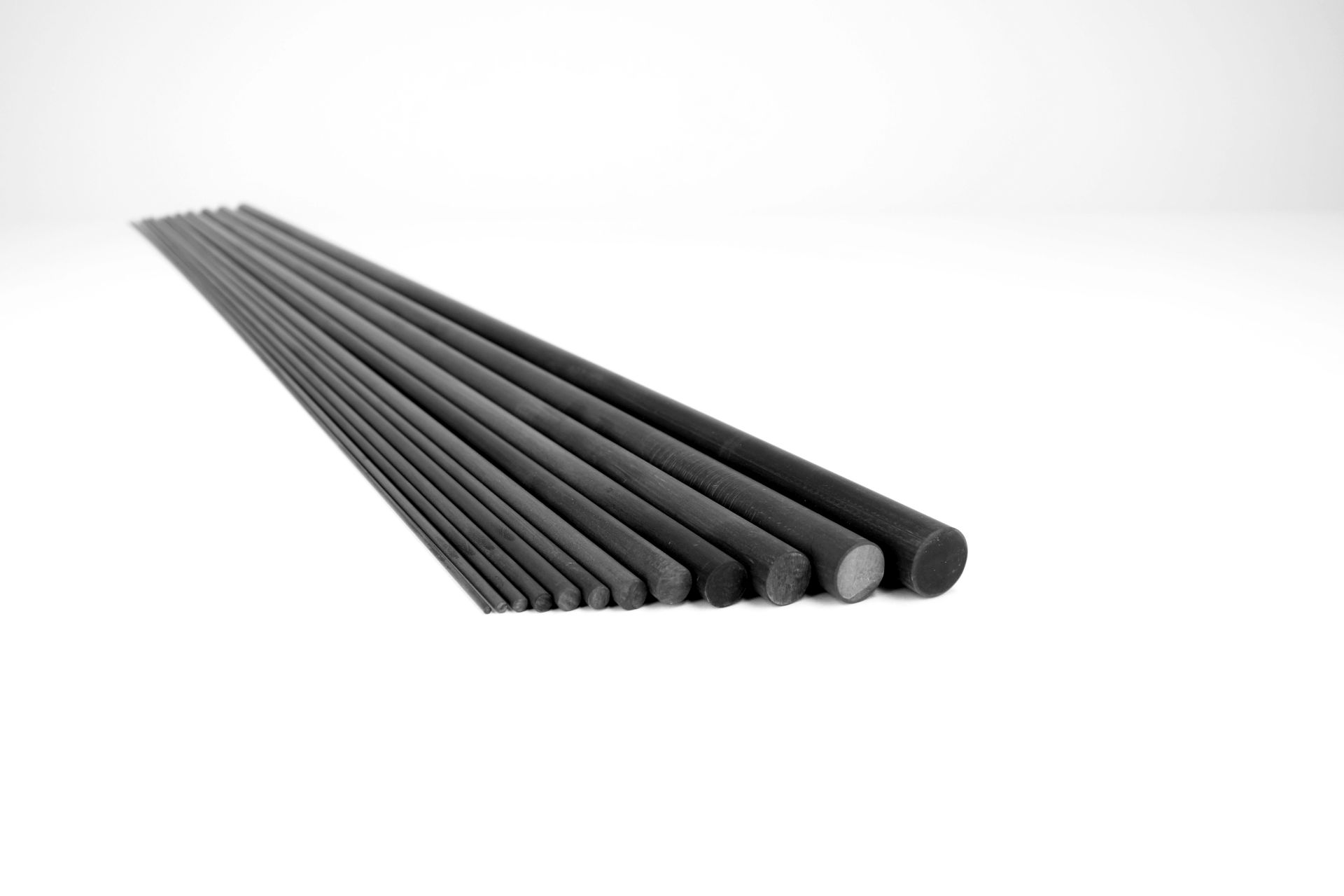
Carbon Rod Grinded Ø 1.99mm
This round carbon rod, manufactured using the pultrusion process, has a unidirectional fiber orientation in the longitudinal direction. By using HT carbon fiber with a fiber volume of approx. 65%, a very high level of flexural rigidity is achieved.A particularly good outside diameter tolerance in the range of +0.00mm / - 0.02mm is achieved through a special grinding process. In addition, the rod gets a particularly smooth surface.Ground precision carbon rods are particularly suitable for shafts and guides in the field of linear technology, as well as for all applications for which an exact fit is required. Due to their extremely low thermal expansion, these rods are also often used in the field of measurement technology, for example for measuring probes.
Carbon Rod Grinded Ø 2.49mm
This round carbon rod, manufactured using the pultrusion process, has a unidirectional fiber orientation in the longitudinal direction. By using HT carbon fiber with a fiber volume of approx. 65%, a very high level of flexural rigidity is achieved.A particularly good outside diameter tolerance in the range of +0.00mm / - 0.02mm is achieved through a special grinding process. In addition, the rod gets a particularly smooth surface.Ground precision carbon rods are particularly suitable for shafts and guides in the field of linear technology, as well as for all applications for which an exact fit is required. Due to their extremely low thermal expansion, these rods are also often used in the field of measurement technology, for example for measuring probes.
Carbon Rod Grinded Ø 2.99mm
This round carbon rod, manufactured using the pultrusion process, has a unidirectional fiber orientation in the longitudinal direction. By using HT carbon fiber with a fiber volume of approx. 65%, a very high level of flexural rigidity is achieved.A particularly good outside diameter tolerance in the range of +0.00mm / - 0.02mm is achieved through a special grinding process. In addition, the rod gets a particularly smooth surface.Ground precision carbon rods are particularly suitable for shafts and guides in the field of linear technology, as well as for all applications for which an exact fit is required. Due to their extremely low thermal expansion, these rods are also often used in the field of measurement technology, for example for measuring probes.
Carbon Rod Grinded Ø 3.99mm
This round carbon rod, manufactured using the pultrusion process, has a unidirectional fiber orientation in the longitudinal direction. By using HT carbon fiber with a fiber volume of approx. 65%, a very high level of flexural rigidity is achieved.A particularly good outside diameter tolerance in the range of +0.00mm / - 0.02mm is achieved through a special grinding process. In addition, the rod gets a particularly smooth surface.Ground precision carbon rods are particularly suitable for shafts and guides in the field of linear technology, as well as for all applications for which an exact fit is required. Due to their extremely low thermal expansion, these rods are also often used in the field of measurement technology, for example for measuring probes.
Carbon Rod Grinded Ø 4.99mm
This round carbon rod, manufactured using the pultrusion process, has a unidirectional fiber orientation in the longitudinal direction. By using HT carbon fiber with a fiber volume of approx. 65%, a very high level of flexural rigidity is achieved.A particularly good outside diameter tolerance in the range of +0.00mm / - 0.02mm is achieved through a special grinding process. In addition, the rod gets a particularly smooth surface.Ground precision carbon rods are particularly suitable for shafts and guides in the field of linear technology, as well as for all applications for which an exact fit is required. Due to their extremely low thermal expansion, these rods are also often used in the field of measurement technology, for example for measuring probes.
Carbon Rod Grinded Ø 5.99mm
This round carbon rod, manufactured using the pultrusion process, has a unidirectional fiber orientation in the longitudinal direction. By using HT carbon fiber with a fiber volume of approx. 65%, a very high level of flexural rigidity is achieved.A particularly good outside diameter tolerance in the range of +0.00mm / - 0.02mm is achieved through a special grinding process. In addition, the rod gets a particularly smooth surface.Ground precision carbon rods are particularly suitable for shafts and guides in the field of linear technology, as well as for all applications for which an exact fit is required. Due to their extremely low thermal expansion, these rods are also often used in the field of measurement technology, for example for measuring probes.