

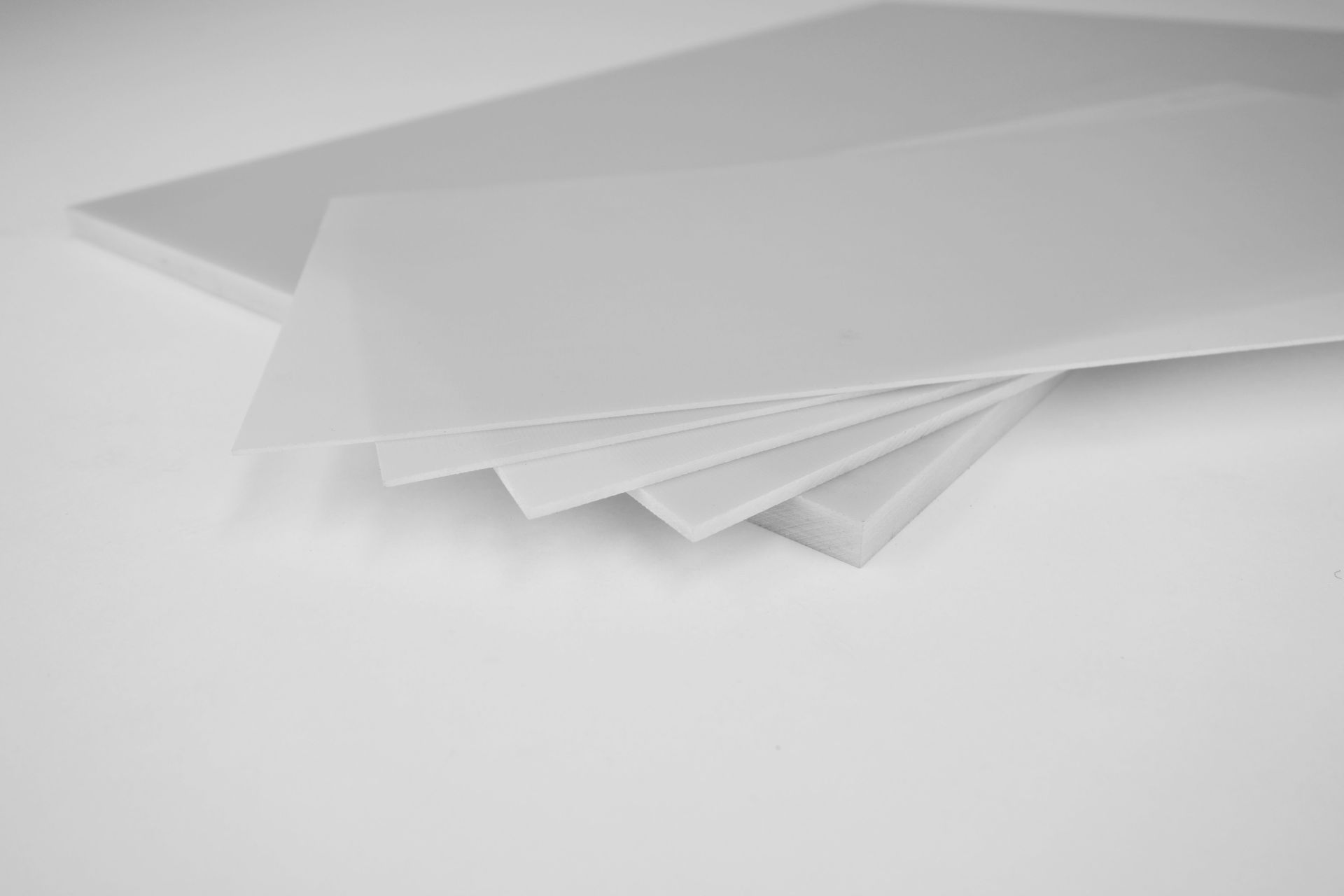
The glass fiber plate is made with an epoxy resin matrix using a high-pressure thermal molding process. Temperature resistance is guaranteed for a short time up to 180°C. The panel surfaces are smooth and slightly matt.Note (toxicity):The plates are free of- Halogen- antimony compounds- nitrogen compounds- Sulfur- PhosphorusTechnical characteristics:Bending strength: about 350 MPaModulus of elasticity from the bending test: approx. 22 GPaTensile strength: about 240 MPaVertical compressive strength: approx. 500 MPaDensity: 2 g/cm³
The glass fiber plate is made with an epoxy resin matrix using a high-pressure thermal molding process. Temperature resistance is guaranteed for a short time up to 180°C. The panel surfaces are smooth and slightly matt.Note (toxicity):The plates are free of- Halogen- antimony compounds- nitrogen compounds- Sulfur- PhosphorusTechnical characteristics:Bending strength: about 350 MPaModulus of elasticity from the bending test: approx. 22 GPaTensile strength: about 240 MPaVertical compressive strength: approx. 500 MPaDensity: 2 g/cm³
The glass fiber plate is made with an epoxy resin matrix using a high-pressure thermal molding process. Temperature resistance is guaranteed for a short time up to 180°C. The panel surfaces are smooth and slightly matt.Note (toxicity):The plates are free of- Halogen- antimony compounds- nitrogen compounds- Sulfur- PhosphorusTechnical characteristics:Bending strength: about 350 MPaModulus of elasticity from the bending test: approx. 22 GPaTensile strength: about 240 MPaVertical compressive strength: approx. 500 MPaDensity: 2 g/cm³
The glass fiber plate is made with an epoxy resin matrix using a high-pressure thermal molding process. Temperature resistance is guaranteed for a short time up to 180°C. The panel surfaces are smooth and slightly matt.Note (toxicity):The plates are free of- Halogen- antimony compounds- nitrogen compounds- Sulfur- PhosphorusTechnical characteristics:Bending strength: about 350 MPaModulus of elasticity from the bending test: approx. 22 GPaTensile strength: about 240 MPaVertical compressive strength: approx. 500 MPaDensity: 2 g/cm³
The glass fiber plate is made with an epoxy resin matrix using a high-pressure thermal molding process. Temperature resistance is guaranteed for a short time up to 180°C. The panel surfaces are smooth and slightly matt.Note (toxicity):The plates are free of- Halogen- antimony compounds- nitrogen compounds- Sulfur- PhosphorusTechnical characteristics:Bending strength: about 350 MPaModulus of elasticity from the bending test: approx. 22 GPaTensile strength: about 240 MPaVertical compressive strength: approx. 500 MPaDensity: 2 g/cm³
The glass fiber plate is made with an epoxy resin matrix using a high-pressure thermal molding process. Temperature resistance is guaranteed for a short time up to 180°C. The panel surfaces are smooth and slightly matt.Note (toxicity):The plates are free of- Halogen- antimony compounds- nitrogen compounds- Sulfur- PhosphorusTechnical characteristics:Bending strength: about 350 MPaModulus of elasticity from the bending test: approx. 22 GPaTensile strength: about 240 MPaVertical compressive strength: approx. 500 MPaDensity: 2 g/cm³
The glass fiber plate is made with an epoxy resin matrix using a high-pressure thermal molding process. Temperature resistance is guaranteed for a short time up to 180°C. The panel surfaces are smooth and slightly matt.Note (toxicity):The plates are free of- Halogen- antimony compounds- nitrogen compounds- Sulfur- PhosphorusTechnical characteristics:Bending strength: about 350 MPaModulus of elasticity from the bending test: approx. 22 GPaTensile strength: about 240 MPaVertical compressive strength: approx. 500 MPaDensity: 2 g/cm³
The glass fiber plate is made with an epoxy resin matrix using a high-pressure thermal molding process. Temperature resistance is guaranteed for a short time up to 180°C. The panel surfaces are smooth and slightly matt.Note (toxicity):The plates are free of- Halogen- antimony compounds- nitrogen compounds- Sulfur- PhosphorusTechnical characteristics:Bending strength: about 350 MPaModulus of elasticity from the bending test: approx. 22 GPaTensile strength: about 240 MPaVertical compressive strength: approx. 500 MPaDensity: 2 g/cm³
The glass fiber plate is made with an epoxy resin matrix using a high-pressure thermal molding process. Temperature resistance is guaranteed for a short time up to 180°C. The panel surfaces are smooth and slightly matt.Note (toxicity):The plates are free of- Halogen- antimony compounds- nitrogen compounds- Sulfur- PhosphorusTechnical characteristics:Bending strength: about 350 MPaModulus of elasticity from the bending test: approx. 22 GPaTensile strength: about 240 MPaVertical compressive strength: approx. 500 MPaDensity: 2 g/cm³
The glass fiber plate is made with an epoxy resin matrix using a high-pressure thermal molding process. Temperature resistance is guaranteed for a short time up to 180°C. The panel surfaces are smooth and slightly matt.Note (toxicity):The plates are free of- Halogen- antimony compounds- nitrogen compounds- Sulfur- PhosphorusTechnical characteristics:Bending strength: about 350 MPaModulus of elasticity from the bending test: approx. 22 GPaTensile strength: about 240 MPaVertical compressive strength: approx. 500 MPaDensity: 2 g/cm³
The glass fiber plate is made with an epoxy resin matrix using a high-pressure thermal molding process. Temperature resistance is guaranteed for a short time up to 180°C. The panel surfaces are smooth and slightly matt.Note (toxicity):The plates are free of- Halogen- antimony compounds- nitrogen compounds- Sulfur- PhosphorusTechnical characteristics:Bending strength: about 350 MPaModulus of elasticity from the bending test: approx. 22 GPaTensile strength: about 240 MPaVertical compressive strength: approx. 500 MPaDensity: 2 g/cm³
The glass fiber plate is made with an epoxy resin matrix using a high-pressure thermal molding process. Temperature resistance is guaranteed for a short time up to 180°C. The panel surfaces are smooth and slightly matt.Note (toxicity):The plates are free of- Halogen- antimony compounds- nitrogen compounds- Sulfur- PhosphorusTechnical characteristics:Bending strength: about 350 MPaModulus of elasticity from the bending test: approx. 22 GPaTensile strength: about 240 MPaVertical compressive strength: approx. 500 MPaDensity: 2 g/cm³
The glass fiber plate is made with an epoxy resin matrix using a high-pressure thermal molding process. Temperature resistance is guaranteed for a short time up to 180°C. The panel surfaces are smooth and slightly matt.Note (toxicity):The plates are free of- Halogen- antimony compounds- nitrogen compounds- Sulfur- PhosphorusTechnical characteristics:Bending strength: about 350 MPaModulus of elasticity from the bending test: approx. 22 GPaTensile strength: about 240 MPaVertical compressive strength: approx. 500 MPaDensity: 2 g/cm³